New Delhi: As per a latest report by the Reserve Bank of India (RBI), the Unified Payments Interface (UPI) the largest share of transaction volume in the country. RBI, in its half-yearly Payment Systems Report, said that UPI transaction volume stood at 85.5 percent in the second half of 2025, followed by NEFT at 3.6 percent and Prepaid Payment Instruments (PPIs) at 3.6 percent.
RBI data further showed that RTGS had a very dismal volume, accounting for a mere 0.1 percent.
“Conversely, in terms of transaction value, RTGS dominated with 68.6 percent of the total transaction value, followed by NEFT at 14.9 percent and UPI at 9.5 percent, with PPIs contributing only 0.1 percent — a clear illustration of how RTGS handles large-value settlements while UPI drives mass retail transactions,” said RBI in its report.
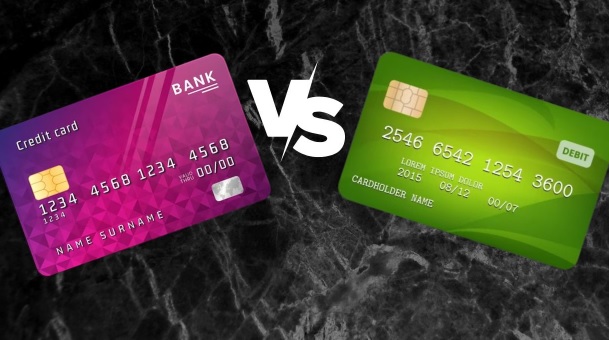
In the current digital payment market space, which was previously dominated by credit card an debit card, the rise of UPI payment speaks volumes regarding customers’ payment choice.

Rohit Mahajan said, Indian digital payment systems have changed quickly so that people choose how to pay not based on what they’re used to, but why they are paying. UPI has become the clear leader for day-to-day transactions with over 24,000 crore processed this fiscal year (FY26), representing 80-85% of all retail digital payments in India.
Which payment option is better for payments? Mahajan says, for consumers, UPI is already the best option for everyday spending like groceries, utility bills, QR payments and transacting with local merchants because of its quickness and simplicity.
He however adds that debit cards are the best option for consumers wishing to stay within their budgets, since purchases made with debit cards immediately deduct money from your bank account and also assist you in maintaining financial discipline.
Credit cards are also still a very good option for larger purchases, reservations for travel, earning points and cash back rewards, EMI opportunities and premium services, however, it is important that you only use them responsibly to avoid accruing high interest fees (which can be easily avoided), Mahajan says.
Mahajan says, choosing between payment options has less to do with selecting one way over another and more about using the right payment method for the transaction; UPI for convenience (daily usage), credit card for rewards and flexibility, and debit cards for controlling spending behaviour.
The decision process associated with selecting the correct payment method should include considerations of convenience, transaction size, security, and need for financial management, not simply default to one payment type. UPI is very well suited to be used for small or repetitive purchases such as groceries, prepared foods, utility payments, local merchant transactions and sending money to friends/family.
UPI’s speed and ease of use provide the perfect medium for all types of retail day-to-day spending. ATMs and POS systems are convenient ways to make purchases with your debit card, as well as giving you the ability to access cash directly from your bank account and help you stay within a budget.
Credit cards work better than debit for larger purchases whether it’s for travel, subscriptions, online buying, EMI payments etc and also allow access to rewards programs and consumer protection.
Mahajan adds that a payment method should be chosen based on the product being purchased, size of the transaction and what type of consumer protection or rewards are available to you. UPI (Unified Payments Interface) is the best way to make small retail purchases due to its ease of use and instant processing time. For larger bank-based payments, debit cards and net banking give you the most control and visibility. When making large purchases, credit cards are often the preferred payment option because of the added layers of security, consumer protection and rewards associated with credit card purchases.