New Delhi: In a major push to promote clean energy and reduce dependence on imported crude oil, the government has eliminated central excise duties on petrol blended with higher ethanol levels, extending tax support beyond the current E20 standard. As a result, there will be a nil excise duty rate for fuel blended with ethanol at 22 per cent, 25 per cent, 27 per cent, and 30 per cent. According to a notification issued by the Ministry of Finance, Department of Revenue, the government has amended the primary excise notification dated June 2017 to completely waive excise duty on four specific high-blend fuel slabs.
“22% ethanol blended petrol that is a blend, – (a) consisting, by volume, of 78% motor spirit, (commonly known as petrol), on which the appropriate duties of excise have been paid and of 22% ethanol on which the appropriate Central tax, State tax, Union territory tax or Integrated tax, as the case may be, have been paid; and (b) conforming to the Bureau of Indian Standards specification IS 19850,” the Gazette stated.
What does this exemption mean?
Excise duty is an indirect tax that the government levies on the production, manufacture and sale of specific goods. When the government levies excise duties on businesses, they usually pass the cost on to consumers by raising the price of the final product.
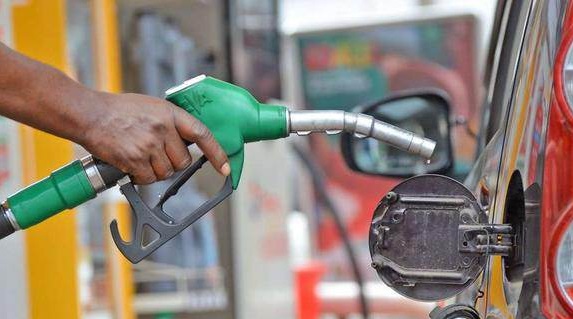
By exempting ethanol-blended petrol having ethanol levels between 22 per cent and 30 per cent, the government is making it more economical and attractive for producers and suppliers. The move is expected to encourage the production and supply of higher ethanol-blended fuels.
Will your fuel expenses drop?
If you are wondering whether the move will reduce your monthly fuel expenses, the straightforward answer is no. The move is not going to benefit the common man right now, as the standard blended fuel available at most fuel pumps is E20, which is 20 per cent ethanol and 80 per cent petrol.
Moreover, the majority of the vehicles we use are not optimised to run on higher ethanol concentrations. To use these fuels, consumers need to buy flex-fuel vehicles (FFVs). At present, India’s flex-fuel vehicle market comprises just three models – Maruti Suzuki WagonR Flex Fuel, Hero Splendor+ Flex Fuel and Hero HF Deluxe Flex Fuel.