Touch with World
Friday, April 17, 2026
  • Home
  • India
    • Uttar Pradesh
    • Haryana
    • Uttarakhand
    • Punjab
    • Rajsthan
    • Bihar
    • North India
    • South India
  • NCR
    • Delhi
    • Noida
    • Gaziabad
    • Gurugram
    • Faridabad
  • World
  • Politics
  • Economy
    • Business
    • Markets
    • Cryptocurrency
    • Startup
    • Real Estate
  • Crime
  • Opinion
    • Interview
  • Tech
    • Gadget
  • Religion
    • Spirituality
    • Dharma
    • Astrology
    • horoscope
  • Education
    • campus
  • Health
    • Yoga
    • Aayurveda
    • Fitness
  • Sports
  • Page3
    • Bollywood
    • Hollywood
    • Fashion
Touch with World
  • Home
  • India
    • Uttar Pradesh
    • Haryana
    • Uttarakhand
    • Punjab
    • Rajsthan
    • Bihar
    • North India
    • South India
  • NCR
    • Delhi
    • Noida
    • Gaziabad
    • Gurugram
    • Faridabad
  • World
  • Politics
  • Economy
    • Business
    • Markets
    • Cryptocurrency
    • Startup
    • Real Estate
  • Crime
  • Opinion
    • Interview
  • Tech
    • Gadget
  • Religion
    • Spirituality
    • Dharma
    • Astrology
    • horoscope
  • Education
    • campus
  • Health
    • Yoga
    • Aayurveda
    • Fitness
  • Sports
  • Page3
    • Bollywood
    • Hollywood
    • Fashion
No Result
View All Result
Touch with World
Home India

The atomic shift: Modi government moves to end state monopoly in nuclear energy

by Touch With World
December 11, 2025
in India, main story
0
nuclear energy

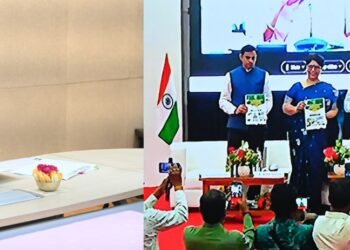
New Delhi : In a historic policy pivot that could redefine India’s energy landscape, the Narendra Modi government is reportedly set to introduce the Atomic Energy Bill, 2025 during the ongoing Winter Session of Parliament. The proposed legislation marks the most significant reform in the sector since the Atomic Energy Act of 1962, effectively ending a six-decade-long state monopoly and opening the doors for private sector participation in nuclear energy production.

Since independence, India’s nuclear sector has been a fortress, guarded closely by the Department of Atomic Energy (DAE) and operated exclusively by the state-run Nuclear Power Corporation of India Limited (NPCIL). The Atomic Energy Act of 1962 strictly prohibited private players from operating nuclear plants, citing national security and safety concerns. The proposed bill, however, would create new opportunities for private entities to participate in specific aspects of nuclear energy production, fundamentally altering the structure of the sector that has been in place for six decades.

According to information received by India Today, the government aims to redefine the term “company” within the Act, allowing private entities to partner in the production of nuclear energy. While operational control of reactors is expected to remain with government agencies to ensure safety, private players are likely to be invited to bring in capital, land, and technology, specifically for Small Modular Reactors (SMRs). These changes are designed to attract investment while upholding strict safety protocols.

he urgency behind this legislative push is driven by India’s ambitious climate targets. The government has set a goal to increase nuclear power capacity from the current 8 GW to 100 GW by 2047. Achieving this 12-fold increase requires an estimated capital infusion of nearly 15-19 lakh crore ($214 billion), and state-owned entities alone cannot shoulder this financial burden. By inviting private enterprise, the government hopes to bridge this massive funding gap, mirroring the success of public-private partnerships (PPPs) in the solar and wind energy sectors.

Unlike the massive, traditional nuclear plants that take decades to build, the proposed bill places a heavy emphasis on Small Modular Reactors (SMRs). These factory-built reactors are cheaper, safer, and faster to deploy.

Private companies (such as Reliance, Tata Power, or Adani Power) would provide the land, water, and upfront capital, and they would effectively “own” the electricity generated. However, the Nuclear Power Corporation of India Limited or a designated government agency would retain the licence to design, build, and operate the reactor, ensuring sensitive nuclear materials remain under state supervision. This hybrid model aims to secure private funding while assuaging concerns over nuclear proliferation and safety

While the Atomic Energy Bill, 2025 focuses on market entry, industry insiders suggest that amendments to the liability framework are also under consideration in order to make the sector “investable” for global players. However, attracting foreign technology for advanced reactors may remain a challenge without clarifying supplier liability.
Related Posts

economy india
Business

Why India slipped to 6th-largest economy despite strong growth

April 17, 2026
0
parliament
main story

Women’s quota bill heads for vote: Does BJP have the numbers?

April 17, 2026
0
Rahul Gandhi
main story

What is the Number 16 riddle that Rahul Gandhi referred to in Parliament?

April 17, 2026
0
Neighbourhood First: Foundation Stone Laid for Two Projects in Bhutan with India Support
India

Neighbourhood First: Foundation Stone Laid for Two Projects in Bhutan with India Support

April 16, 2026
0
amir hamza
main story

Laskhar Co-Founder, Behind Several Terror Attacks In India, Shot In Lahore

April 16, 2026
0
PM Modi
India

‘I am an OBC, but work for all’: PM Modi during Lok Sabha debate on Women’s Reservation bill

April 16, 2026
0
yog

28-minute morning yoga routine to boost metabolism and burn fat naturally

April 17, 2026
Akshaya Tritiya

Akshaya Tritiya 2026: Is Tritiya on April 19 or 20? Check date, puja muhurat

April 17, 2026
hardik pandya rohit sharma

MI told to remove skipper Hardik Pandya, bring back Rohit Sharma

April 17, 2026

Recent News

yog

28-minute morning yoga routine to boost metabolism and burn fat naturally

April 17, 2026
Akshaya Tritiya

Akshaya Tritiya 2026: Is Tritiya on April 19 or 20? Check date, puja muhurat

April 17, 2026

Categories

  • Aayurveda
  • Astrology
  • Bihar
  • Bollywood
  • Business
  • campus
  • Crime
  • Delhi
  • Dharma
  • Economy
  • Education
  • Entertainment
  • Fashion
  • Fitness
  • Gadget
  • Gaziabad
  • Health
  • Hollywood
  • horoscope
  • India
  • International
  • lifestyle
  • main story
  • Markets
  • National
  • NCR
  • Noida
  • North India
  • Politics
  • Real Estate
  • Religion
  • South India
  • Spirituality
  • Sports
  • State
  • Tech
  • Uttar Pradesh
  • Uttarakhand
  • World
  • Yoga

Site Navigation

  • Home
  • Advertisement
  • Contact Us
  • Privacy & Policy
  • Other Links
Touch with World

Editor : Sachin Malik
Office add- A-45 Sector 69 Noida Gautam Buddha Nagar Uttar Pradesh
Email I'd- touchwithworld2007@gmail.com
info@touchwithworld.com

"Touch With World" is an English-language publication, reportedly established in 2010. Records indicate the publication is an English Monthly operating from Delhi. The Editor, Sachin Malik, would have played a key role in the publication's founding and continues to shape its editorial direction, catering to a readership interested in connecting with global and national developments. Check our landing page for details.

© 2025 Touch With World - India's Most Trusted News Era Touch With World.

No Result
View All Result
  • Home
  • India
    • Uttar Pradesh
    • Haryana
    • Uttarakhand
    • Punjab
    • Rajsthan
    • Bihar
    • North India
    • South India
  • NCR
    • Delhi
    • Noida
    • Gaziabad
    • Gurugram
    • Faridabad
  • World
  • Politics
  • Economy
    • Business
    • Markets
    • Cryptocurrency
    • Startup
    • Real Estate
  • Crime
  • Opinion
    • Interview
  • Tech
    • Gadget
  • Religion
    • Spirituality
    • Dharma
    • Astrology
    • horoscope
  • Education
    • campus
  • Health
    • Yoga
    • Aayurveda
    • Fitness
  • Sports
  • Page3
    • Bollywood
    • Hollywood
    • Fashion

© 2025 Touch With World - India's Most Trusted News Era Touch With World.