New Delhi: When we think about cardiac arrest, the immediate concern is usually the heart. But when the heart suddenly stops pumping effectively, the brain is also put in danger almost immediately.
Without adequate blood flow, the brain cannot receive the oxygen it needs to function. This is why cardiac arrest is not only a heart emergency but also a brain emergency. Dr Ankur Phartarpekar, Sr. Cardiologist and Structural Heart Specialist, explains how a cardiac arrest can affect the brain and why getting help quickly can make a critical difference.
What happens to the brain when the heart stops?
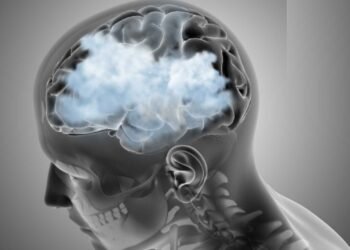
As soon as the heart stops beating effectively, the blood supply to the brain gets cut off. In a matter of seconds, the brain becomes starved of oxygen, and loss of consciousness occurs, since the brain cannot sustain its functioning anymore. With the continuation of oxygen starvation, injuries to the brain cells may occur. The more time the brain spends without proper blood supply, the higher the likelihood of brain damage. But the time frame depends on the cause of the cardiac arrest and the patient’s condition.

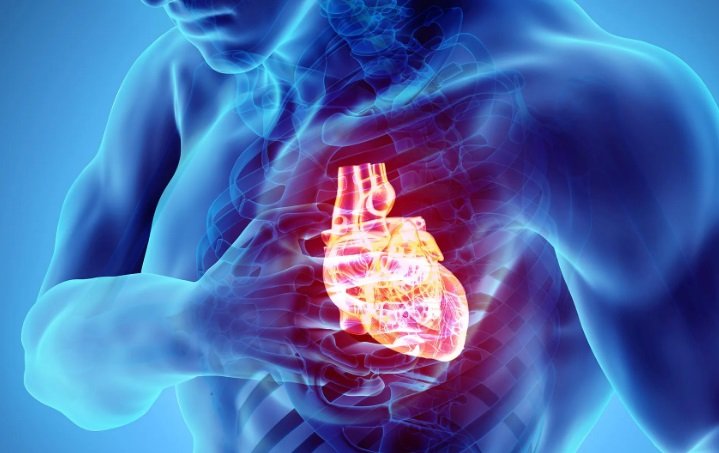
According to Dr Phartarpekar, there are certain differences between a heart attack and cardiac arrest in terms of the effects on the brain. In the case of a heart attack, the blood supply to the heart is decreased; however, it is possible that the heart will keep working, thus providing the brain with oxygenated blood. In the case of a massive heart attack, brain injuries may be caused by poor circulation or arrhythmias.
In cardiac arrest, the situation is much more immediate because the heart suddenly stops pumping effectively and circulation to the brain is cut off.
Why every second matters
As the brain continues without adequate oxygen and blood flow, the possibility of permanent injury increases. This makes an immediate response particularly important.
“That’s why spotting symptoms early, calling emergency medical services, starting CPR, and using an automated external defibrillator (AED) if one is nearby are so important, not just for survival but also for brain protection,” Dr Phartarpekar says.
CPR can help maintain some blood circulation to the brain and other vital organs until professional medical assistance arrives. An AED can also be lifesaving in certain types of cardiac arrest when used quickly and appropriately.
Brain problems can continue after cardiac arrest
Surviving a cardiac arrest does not necessarily mean the brain is unaffected. Some survivors may experience confusion, memory difficulties, speech or movement problems, seizures or changes in consciousness. The severity of these effects largely depends on how long the brain was deprived of adequate oxygen and how quickly normal circulation was restored.
“The brain and heart are kind of one connected system,” Dr Phartarpekar says, emphasising the close relationship between the two organs.
The key message during a cardiac arrest is therefore not to wait. If someone collapses and is not breathing normally, emergency medical help should be called immediately, CPR should be started, and an AED should be used if one is available and appropriate.
In such emergencies, acting quickly can mean more than restarting a heart. It can also help protect the brain and improve the person’s chances of meaningful recovery.