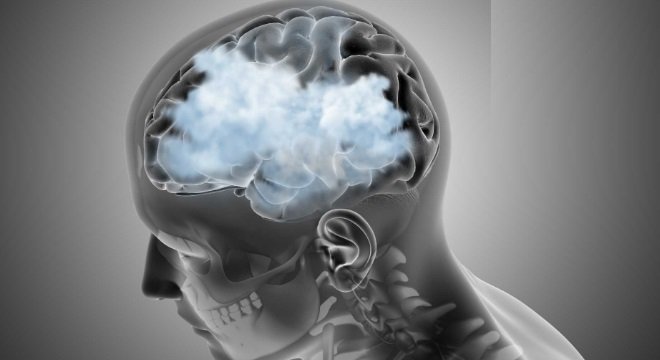
New Delhi: Recovering from a viral infection does not always mean feeling completely back to normal. Even after fever and other acute symptoms have settled, some people may continue to feel mentally slower, less focused or unusually tired. This is often described as brain fog and can include difficulty concentrating, forgetfulness, poor attention and mental fatigue.
In an exclusive communication to News9 Digital, Dr Nitin Kumar Sethi, neurologist and chairman, PSRI Institute of Neurosciences, New Delhi, explained that brain fog can occur during recovery from a viral infection and may improve gradually. However, he cautioned that symptoms that persist or worsen should not automatically be dismissed as part of the recovery process.
Brain fog can happen after a viral infection
“It is not uncommon for people to feel mentally slower or less focused for some time after recovering from a viral infection. They may describe this as brain fog, with symptoms such as difficulty concentrating, forgetfulness, poor attention, mental fatigue or feeling unable to think as clearly as usual. In many cases, this can be part of the recovery process and improves gradually as the body recovers,” said Dr Sethi.
The doctor explained that several factors during recovery can affect concentration and energy levels.

“After an infection, the immune system can remain activated for some time, while poor sleep, dehydration, reduced food intake, stress and physical weakness can also affect concentration and energy levels. A person may feel physically better after the fever or other acute symptoms have settled, but their overall recovery may take longer,” he said.
“The duration of brain fog can vary depending on the infection, the severity of illness and the individual,” Dr Sethi noted.
Brain fog can be part of recovery
Mild symptoms that are gradually improving are generally less concerning, explained Dr Sethi adding, “Adequate sleep, hydration, balanced meals, gradual return to physical activity and avoiding excessive mental exertion can support recovery.”
He also advised, “It is also important not to push yourself immediately back into a demanding work or exercise routine if your body is still recovering.”
Persistent brain fog needs medical attention
Brain fog should not automatically be attributed to a recent viral infection when it continues for an extended period, becomes worse or starts affecting everyday functioning.
“If brain fog continues for several weeks, significantly interferes with work or daily activities, or is accompanied by ongoing severe fatigue, persistent headaches, dizziness, sleep problems, mood changes or other new symptoms, it is advisable to consult a doctor,” said the neurologist.
Warning signs that need medical attention
Certain symptoms require prompt medical attention, such as “sudden confusion, difficulty speaking, weakness or numbness on one side of the body, seizures, severe or unusual headache, loss of consciousness, difficulty walking, significant behavioural changes or a sudden deterioration in mental status require prompt medical evaluation,” Dr Sethi cautioned.
Brain fog is symptom, not diagnosis
“It is also important to remember that brain fog is a symptom rather than a diagnosis. Depending on the situation, a doctor may need to consider other possible causes such as anaemia, thyroid problems, nutritional deficiencies, medication effects, sleep disorders, anxiety or depression, among others,” explained the doctor.
He therefore cautioned against assuming that a recent viral infection is necessarily responsible for continuing symptoms.
“People should therefore avoid self-diagnosing based solely on the fact that they recently had a viral infection,” he noted.
Steps to be taken if brain fog continues
“If symptoms are mild and improving, patience and gradual recovery are often appropriate. If they persist, worsen or interfere with normal functioning, medical assessment can help identify the underlying cause and ensure that an important condition is not being overlooked,” said Dr Sethi.