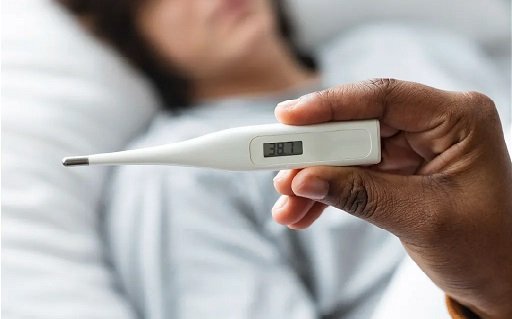
NEW DELHI : Battling a seasonal fever? Dr. Santosh Kumar Agarwal explains why staying hydrated, eating light meals, and avoiding cold showers are critical for a quick recovery.
Catching a fever during weather changes is a common experience, but did you know that fever itself isn’t a disease? It is actually your body’s natural reaction while fighting off an underlying infection. While most fevers resolve with rest and proper hydration, certain everyday mistakes can stall your recovery. Dr. Santosh Kumar Agarwal breaks down essential home care steps to help you bounce back safely and quickly.
Dr. Santosh Kumar Agarwal, Director of Internal Medicine at Yatharth Super Speciality Hospital, Faridabad, told News18 Hindi that accidental home remedy errors often delay fever recovery.
Prioritize Hydration to Beat Dehydration: Fever causes fluid loss through sweating and elevated temperature. Sip water, ORS solutions, coconut water, clear soups, or fresh juices regularly to prevent dizziness, headaches, and weakness during recovery.

Stick to Light and Digestible Foods: Digestion slows down when your body directs energy toward fighting infections. Avoid fried, heavy, or spicy meals. Instead, choose light, easily digestible foods like rice, khichdi, lentils, porridge, or toast.
Avoid Cold Baths, Use Lukewarm Water: Taking cold showers to break a fever is a dangerous myth. Ice-cold water can trigger shivering and raise internal temperature. Opt for a gentle lukewarm bath or a warm sponge wipe.
Avoid Cold Baths, Use Lukewarm Water: Taking cold showers to break a fever is a dangerous myth. Ice-cold water can trigger shivering and raise internal temperature. Opt for a gentle lukewarm bath or a warm sponge wipe.
Focus on Holistic Care Over Quick Fixes: Recovering from a fever requires more than just popping pills. Providing your immune system with adequate rest, proper nourishment, and gentle hygienic care ensures your body heals naturally without extra complications.
Know When to Seek Medical Attention: While self-care works for mild fevers, persistent high temperatures, intense body aches, or breathing issues require immediate medical evaluation. Always consult a certified physician to prevent severe health risks.