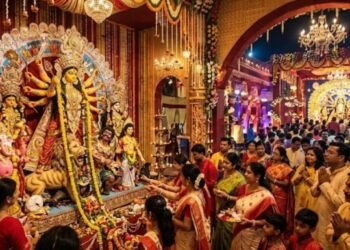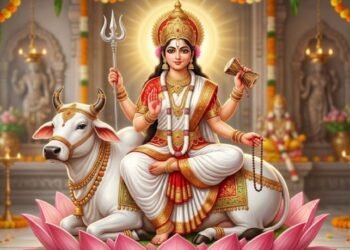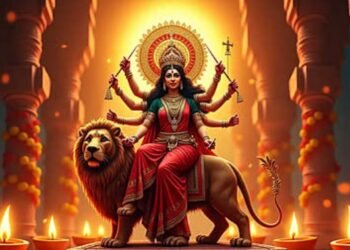
NEW DELHI : Gupt Navratri happens to be one of the most significance Hindu festivals. Many people know about Chaitra and Sharad Navratri, but there are very few who are aware of the deep spiritual importance of Gupt Navratri. Ghatasthapana marks the formal beginning of the nine-day long Goddess Sadhana. According to religious beliefs, Ghatasthapana, which is performed at the right time, makes Sadhana successful and fruitful. This ritual is considered spiritual during Magha Navratri, so special care is taken when it comes to rules and timing.
When Does Ashadh Gupt Navratri Begin?
- Beginning of Pratipada Tithi – July 14 at 03:12 PM
- Ending of Pratipada Tithi – July 15 at 11:50 AM
As per the Vedic calendar, this time the Ashadha Gupt Navratri will begin on July 15. It will end on July 23.
The Ghatasthapana of the Ashadha month of Navratri is performed on the first day of the bright fortnight (Shukla Paksha). This time, this date falls on July 15th. The auspicious time for Ghatasthapana is from 6:01 am to 10:17 am on July 15th.

- Brahma Muhurta – From 04:11 am to 04:52 am
- Abhijeet Muhurta – None
- Vijay Muhurta – From 02:45 pm to 03:40 pm
- Godhuli Muhurta – From 07:20 pm to 07:40 pm
- Amrit Kaal – From 04:00 pm to 05:27 pm
Puja Vidhi
- Take bath in the morning and wear clean clothes.
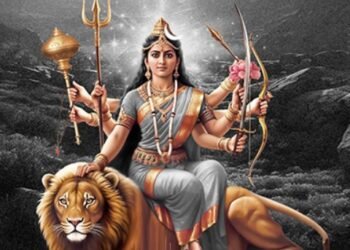
- Install the idol of Goddess Durga and offer her a red scarf.
- Light a mustard oil lamp and chant the mantra “Om Dun Durgaayi Namah”.
- Offer red flowers to Maa Durga and recite Durga Saptashati.
- Worship the Goddess by fasting for nine days and worship the girl child on the last day.
- In Gupt Navratri, especially Maa Kali, Tara Devi, Tripura Sundari, Bhuvaneshwari, Baglamukhi, Dhumavati,
- Matangi and Kamala Devi are worshipped. Their worship provides special spiritual benefits.
Significance Of Ashadh Gupt Navratri
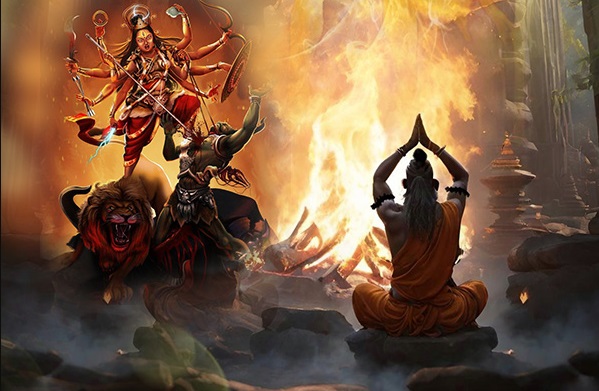
Ashadh Gupt Navratri is one of the four Navratris celebrated each year, alongside Chaitra, Paush, and Ashwin. The term ‘Gupt’ indicates the hidden nature of this Navratri, which is primarily dedicated to tantric practices. During this time, devotees engage in secretive worship of the goddess, believing that such devotion brings about spiritual benefits and rectifies astrological afflictions. The festival is especially revered in northern Indian states such as Uttar Pradesh, Uttarakhand, Punjab, Haryana, and Himachal Pradesh, where it is celebrated with great fervour.