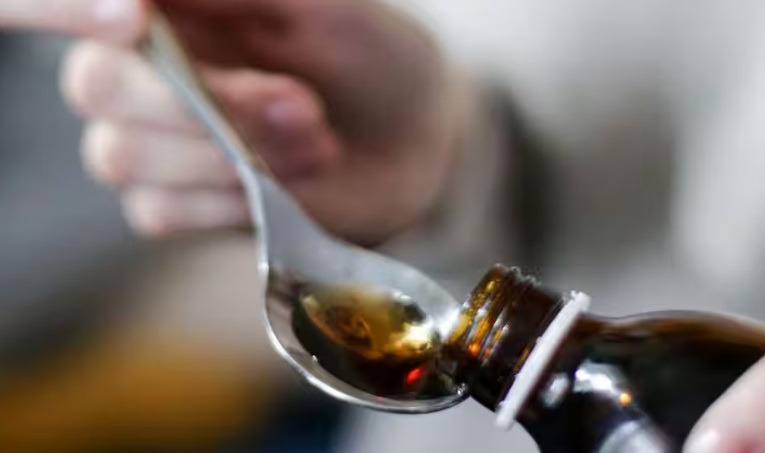
NEW DELHI : In a significant move to curb the misuse of alcohol-containing medicinal formulations, the Central Government has amended the Drugs Rules, 1945, bringing all oral formulations containing more than 12% ethyl alcohol and sold in bottles larger than 30 millilitres (ml) under Schedule H1. The amendment, notified through the Gazette of India, means these medicines will now be subject to stricter prescription and dispensing norms.
The decision comes amid growing concerns over the misuse of certain cough syrups, tonics and other oral medicinal preparations with high alcohol content, particularly when sold over the counter without adequate oversight. By shifting these products into Schedule H1, a category reserved for medicines requiring enhanced monitoring, the government aims to reduce abuse, ensure responsible dispensing and strengthen pharmacovigilance.
For patients, the change does not imply that these medicines are unsafe or banned. Instead, it reinforces that they should only be used under appropriate medical supervision. For pharmacies, however, it introduces stricter record-keeping and prescription retention requirements that are already applicable to several antibiotics, anti-tuberculosis medicines and other high-risk drugs under Schedule H1.
What Has Changed?
According to the Gazette notification, all oral formulations containing more than 12% ethyl alcohol, packed and sold in bottles exceeding 30 ml, will now be classified under Schedule H1 of the Drugs Rules, 1945.

Schedule H1 drugs cannot be freely sold over the counter. Pharmacies are required to:
- Dispense them only against a valid prescription from a registered medical practitioner
- Maintain a separate register recording details of every sale
- Preserve prescriptions and dispensing records for at least three years for regulatory inspection
The amendment is intended to strengthen monitoring of medicines that have a greater potential for misuse or inappropriate consumption.
Why Is The Government Tightening Regulation?
Several medicinal formulations, including certain cough preparations and tonics, contain ethyl alcohol as a solvent or preservative. While these medicines are clinically useful when prescribed appropriately, experts and regulators have long expressed concern that products with higher alcohol concentrations may be diverted for recreational consumption or misused because of their easy availability.
Regulatory committees, including the Drugs Consultative Committee (DCC) and the Drugs Technical Advisory Board (DTAB), recommended bringing such formulations under tighter control after reviewing concerns around abuse potential. The latest notification implements those recommendations by making these products prescription-only under Schedule H1.
What Is Schedule H1?
Schedule H1 was introduced in 2013 under the Drugs and Cosmetics Rules, 1945, to improve oversight of medicines that require stricter control than routine prescription drugs.
Unlike ordinary Schedule H medicines, Schedule H1 medicines carry additional regulatory safeguards, including:
- Mandatory prescription for purchase
- A prominent warning on the label
- Maintenance of detailed dispensing records by retailers
- Availability of records for inspection by drug regulators
Initially, Schedule H1 primarily included third- and fourth-generation antibiotics, anti-tuberculosis medicines and certain habit-forming drugs. Over time, the list has expanded as regulators identified medicines requiring greater monitoring. (PMC)
Does Alcohol In Medicines Pose Health Risks?
Not all medicines containing alcohol are harmful. Ethyl alcohol is commonly used in pharmaceutical formulations because it improves the stability of medicines and helps dissolve active ingredients.
However, excessive or unsupervised consumption of alcohol-containing medicines can lead to adverse effects, especially among children, older adults, people with liver disease and individuals taking other medicines that depress the central nervous system.
A 2024 review published in the Journal of Medical Toxicology found that while most medications contain very little ethanol, some formulations may contain enough alcohol to contribute to measurable blood alcohol concentrations under certain circumstances, highlighting the importance of careful prescribing and patient counselling.
The World Health Organization (WHO) also emphasises rational use of medicines, stating that medicines should be prescribed appropriately, dispensed correctly and used only when clinically indicated.
What Does This Mean For Patients?
For most patients, very little changes in day-to-day treatment.
If your doctor prescribes an eligible alcohol-containing medicine:
- You will need a valid prescription to purchase it
- Pharmacists may record details of the prescription as required under Schedule H1
- You should use the medicine exactly as prescribed and avoid sharing it with others
Patients should also avoid combining alcohol-containing medicines with alcoholic beverages unless advised otherwise by their healthcare provider, as doing so may increase the risk of side effects such as drowsiness or impaired coordination.
Why The Move Matters For Public Health
The amendment reflects a broader shift towards strengthening medicine regulation in India. By improving traceability and reducing opportunities for misuse, regulators hope to enhance patient safety without limiting access for those who genuinely need these medicines.
Public health experts have consistently argued that stronger prescription monitoring helps reduce inappropriate medicine use, improves antimicrobial stewardship where applicable and promotes responsible dispensing practices.
As India continues modernising its drug regulatory framework, measures such as Schedule H1 expansion signal an increasing emphasis on balancing patient access with safeguards against misuse.
The government’s decision to include high-alcohol oral medicinal formulations under Schedule H1 is primarily a regulatory safeguard rather than a restriction on treatment. Patients who genuinely require these medicines will continue to have access through valid medical prescriptions, while pharmacies will follow stricter documentation and dispensing practices.
Ultimately, the amendment seeks to ensure that medicines containing higher concentrations of ethyl alcohol are used appropriately, responsibly and under medical supervision, an important step towards strengthening medicine safety and public health in India.