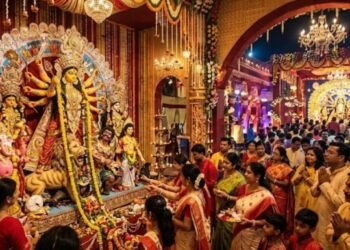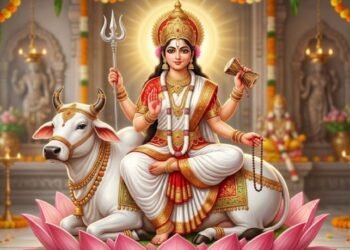
New Delhi: Hartalika Teej, an auspicious Hindu festival dedicated to Lord Shiva and Goddess Parvati, will be observed in September 2026. Marked by fasting, prayers and traditional rituals, the festival celebrates Goddess Parvati’s unwavering devotion to Lord Shiva and their divine union. Married women traditionally observe the vrat and pray for marital happiness and the well-being of their spouses, while unmarried women may also worship Goddess Parvati and Lord Shiva in the hope of finding a suitable life partner.
When is Hartalika Teej 2026
Hartalika Teej is observed on Shukla Paksha Tritiya of the Bhadrapada month in the Hindu calendar. For India, calendar listings place Hartalika Teej on Monday, September 14, 2026. Drik Panchang’s September festival calendar for New Delhi lists Hartalika Teej on September 14, while Prokerala also lists the festival on the same date.
The Tritiya Tithi begins at around 7:08 am on September 13 and ends at around 7:06-7:07 am on September 14, according to Panchang calculations cited for India. Exact timings may vary slightly according to location and the Panchang followed.
Devotees should therefore check the Panchang for their city before performing time-specific rituals, as sunrise and puja timings are location-dependent.

Hartalika Teej 2026 puja muhurat
Morning, or Pratahkal, is traditionally considered an auspicious period for Hartalika Teej puja. If morning worship is not possible, Shiva-Parvati puja may also be performed during Pradosh Kaal, according to traditional observance guidelines.
Since the muhurat changes with geographical location, devotees should follow locally calculated timings rather than treating one puja window as applicable across India
Why is Hartalika Teej celebrated
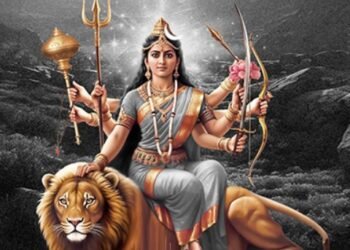
The significance of Hartalika Teej is closely associated with the story of Goddess Parvati and her determination to marry Lord Shiva.
According to the traditional legend, Goddess Parvati performed intense penance to have Lord Shiva as her husband. Her father, however, intended to marry her to Lord Vishnu. A female friend took Parvati away to a forest so that she could continue her penance and avoid a marriage against her wishes. Her devotion ultimately bore fruit and she was united with Lord Shiva.
The name Hartalika is traditionally linked to harat, meaning abduction or taking away, and aalika, referring to a female friend—an allusion to Parvati being taken away by her companion.
The festival has consequently come to symbolise devotion, determination, marital harmony and the sacred bond between Shiva and Parvati.
Hartalika Teej 2026 vrat and puja vidhi
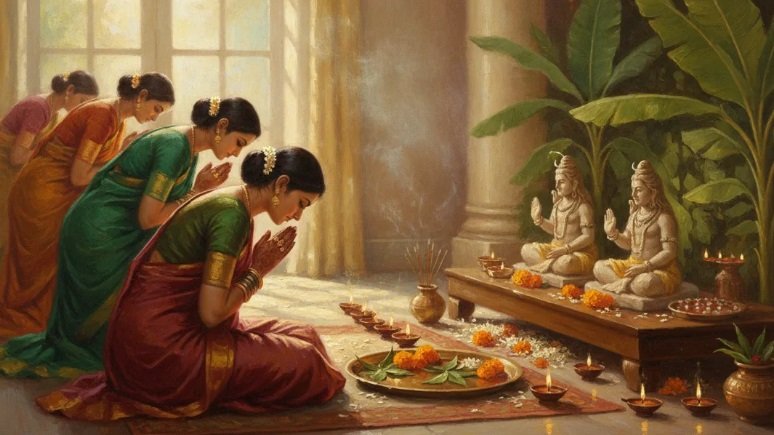
On Hartalika Teej, devotees traditionally wake up early, bathe and wear clean or festive clothes before beginning the worship. Representations of Lord Shiva and Goddess Parvati, traditionally made from clay or sand, are worshipped and the Hartalika Teej Vrat Katha is narrated or heard during the puja.
Many women observe a strict fast on the occasion. The manner in which the vrat is observed, however, can differ according to family and regional traditions.
Women also dress in traditional attire, apply mehendi and take part in prayers and festive gatherings. Hartalika Teej is particularly prominent in states including Rajasthan, Uttar Pradesh, Madhya Pradesh, Bihar and Jharkhand.
Hartalika Teej and Ganesh Chaturthi 2026
The 2026 calendar makes the period especially significant for devotees. Ganesh Chaturthi also falls on Monday, September 14, 2026, according to Hindu calendar listings for New Delhi. The Chaturthi observance follows the Tritiya associated with Hartalika Teej, resulting in the two festival observances falling around the same date as the lunar tithi changes in the morning.
Hartalika Teej remains one of the important Teej observances of the year, alongside Hariyali Teej and Kajari Teej, bringing together fasting, worship and the enduring story of Goddess Parvati’s devotion to Lord Shiva.