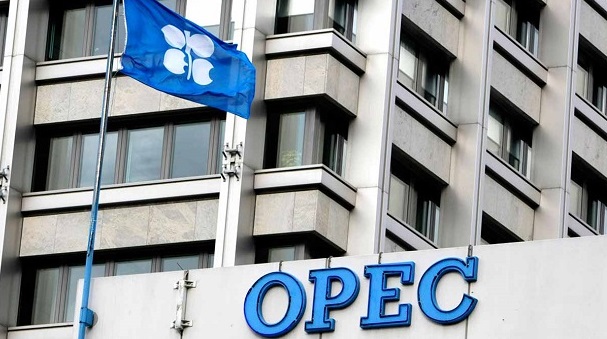
New Delhi : The United Arab Emirates’ (UAE) departure from OPEC is seen as a significant benefit to India’s import bill, as the gulf nation’s plans to ramp up production without being governed by OPEC quotas, could cushion the prices once the current geopolitical crisis normalise, analysts said. Sector experts also point the move to be beneficial given the logistical advantages and higher quality of crude exported from the region.
UAE is among the top four crude suppliers to India, which depends on imports for 80 per cent of the country’s energy needs. Its share in India’s crude oil import basket increased to 11.1 per cent during April-November 2025, up from 9.4 per cent in the same period of FY25. Even as the disruption in Strait of Hormuz persist, in April 2026, UAE’s supply increased to 619,000 barrels per day (bpd) in April, up from previous fiscal’s average of 433,000 bpd, according to reports.
Experts say that the move will erode the OPEC’s discipline overtime and weaken the cartel’s ability to manufacture scarcity and give importers more room to breathe.
“UAE plans to increase its production to 5 million bpd by 2027, up from its current 3 million bpd. Once the ramp up happens, India will be a key beneficiary given the geographical advantage.. its more closer to India than Brazil or the United States. India will also see a significant surge in crude share from the region from the current 11 per cent, the ramp will also have a huge impact on the global supply, while having a benign impat on prices,” said Prashant Vasisht is a Senior Vice President and Co-Group Head of Corporate Ratings at ICRA Limited.

While India’s energy diversification strategy has insulated its economy from intense global volatility and middle east would continue to dominate the supply share, analysts say. “We can’t wish away West Asia’s role in energy supply, despite diversification, there is a huge reliance on the middle east,” added Vasisht.
Meanwhile, a primary theme that could emerge from this move is the transition of energy trade away from the US dollar toward local currencies, a process referred to as dedollarization, according to Anindya Banerjee, Head of Commodity and Currency Research, Kotak Securities.
“India and the UAE have already begun trading oil in rupees . This is considered a game changer because it removes the necessity of a third-party currency (the USD) sitting between the two nations. The potential exit of the UAE from OPEC is viewed as a sign of accelerated dedollarization, as the OPEC structure was originally built during a period where energy was pegged to the dollar,” said Banerjee.