NEW DELHI : When a couple is trying to conceive, food often becomes an important part of the conversation. In many Indian households, foods are traditionally classified according to their perceived ‘hot’ or ‘cold’ nature. Curd, for example, is often considered cooling, while ghee and dry fruits are commonly described as warming.
These beliefs can influence what women eat, avoid, or consume in larger quantities while preparing for pregnancy. But does the traditional “nature” of a food actually affect fertility?
According to Dr. Nandini Jain, Fertility Specialist with Birla Fertility and IVF, the focus should be less on whether a food is considered hot or cold and more on whether the overall diet provides the nutrients needed for good health and reproductive function. “Understanding where this guidance is harmless, where it is unnecessarily restrictive, and where it may work against good nutritional intake is a conversation worth having openly,” she said.
Should you avoid curd while trying to conceive?
Curd is frequently avoided by women trying to get pregnant because it is traditionally considered “cooling.” However, there is no established clinical evidence that consuming curd reduces fertility or prevents conception.

“In fact, curd can be a nutritious part of a fertility-friendly diet. It provides protein and calcium and may contain probiotics that support gut health. Adequate protein, calcium, and other essential nutrients are important for overall health during the preconception period and fertility treatment,” said Dr. Jain.
Therefore, women do not generally need to eliminate curd solely because of its traditional classification as a cooling food, unless they have a specific intolerance, allergy, or medical reason to avoid dairy.
What about ghee and dry fruits?
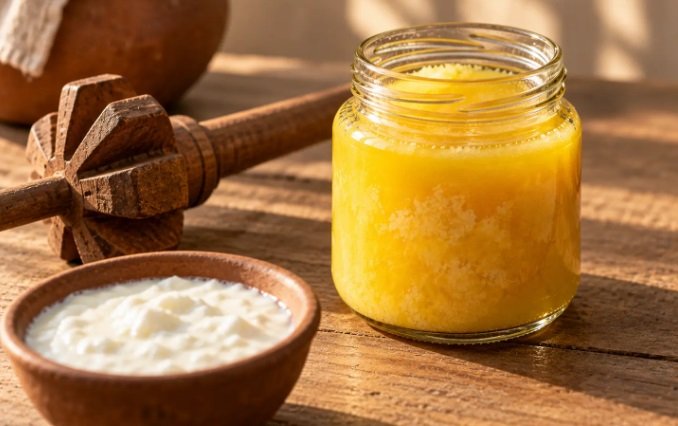
Ghee and dry fruits are often considered “hot” and are sometimes consumed in larger quantities by women hoping to improve their chances of conception or support pregnancy. Both can have nutritional value. Ghee provides dietary fat, while nuts and certain dried fruits provide healthy fats, fibre, protein, and micronutrients. However, portion size matters.
Eating excessive amounts of calorie-dense foods can increase overall calorie intake and may make blood sugar management more difficult. A food being nutritious does not mean that more of it is necessarily better.
Is methi or saunf water safe?
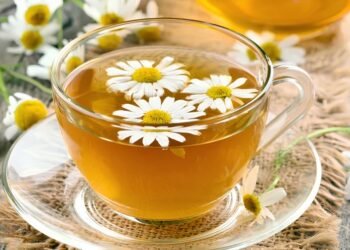
Methi (fenugreek) and saunf (fennel) water are also commonly discussed in conversations around fertility and pregnancy. Their traditional “hot” or “cold” classification should not, by itself, determine whether someone consumes them.
However, Dr. Jain says there is an important distinction between using herbs as part of normal food preparation and taking concentrated herbal preparations or supplements. “Anyone undergoing fertility treatment or trying to conceive should discuss regular use of concentrated herbal products with their fertility specialist,” said Dr. Jain.
Foods you should eat when trying to conceive
Rather than focusing on “hot” and “cold” foods, fertility nutrition should emphasise overall dietary quality.
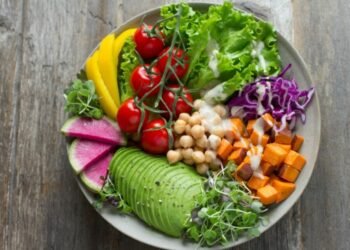
Important nutrients during the preconception period include folate, iron and omega-3 fatty acids, along with adequate protein, fibre and healthy fats. A diet containing vegetables, fruits, whole grains, legumes, nuts and other nutrient-rich foods can support overall nutritional health.
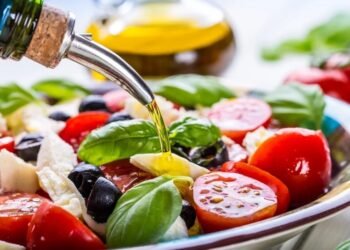
Evidence has also highlighted Mediterranean-style dietary patterns, rich in vegetables, fruits, whole grains, legumes and healthy fats, as a potentially beneficial nutritional approach for women undergoing fertility treatment. Most importantly, no individual food can guarantee pregnancy. Age, ovulation, sperm health, reproductive anatomy and underlying medical conditions can all influence fertility.