New Delhi: In my OPD, I meet a lot of patients who come in after a small fall. A slip in the bathroom, a missed step, nothing major. But the X-ray shows a fracture. And they ask me, “Doctor, I barely fell, how did the bone break?” That is osteoporosis. The bone becomes weak and brittle over years, silently. There is no pain, no warning. Until one day, a minor fall causes a major fracture.
Ageing and family history do matter. You cannot change your genes or your age. But you can change a lot of the daily habits that decide how strong your bones stay. And that makes a real difference.
World Osteoporosis Day
1. Eat for your bones
Your bones need calcium and vitamin D every day, not just once in a while.

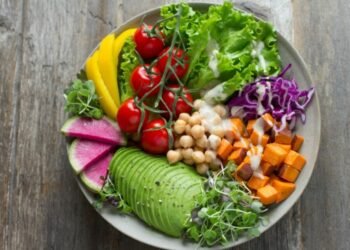
Calcium: Milk, curd, paneer, ragi, sesame seeds, green leafy vegetables. You do not need anything fancy. What you eat at home is usually enough if you eat it regularly.
Vitamin D: This is what helps your body actually absorb calcium. A little sunlight in the morning helps. But many of us in India are still deficient because we stay indoors, use sunscreen, or work long hours inside. If your levels are low, your doctor may advise a supplement. Do not take high doses on your own, get it checked first.
2. Keep moving, and put some load on your bones
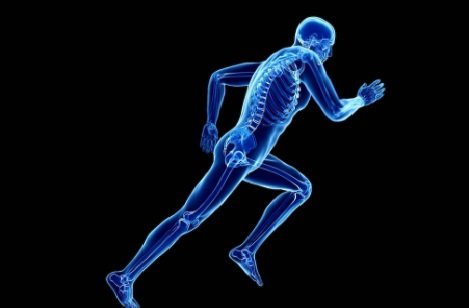
Bones stay strong when you use them. They get weaker when you sit all day. Walking is excellent. So is climbing stairs, dancing, light jogging if your joints allow it. Resistance exercises, like using light weights or resistance bands, also help because they strengthen the muscles that support the bones. A lot of fractures happen not because the bone is weak alone, but because the person fell. Simple yoga and balance exercises can reduce that risk. Pick what suits your age and your knees. You do not need to do heavy gym work. Regular, consistent movement is what counts.
3. Stop smoking, cut down on alcohol
Smoking directly harms bone health. It reduces bone density and slows healing after a fracture. Excess alcohol does two bad things. It increases bone loss, and it increases your chance of falling. If you drink, keep it limited. If you smoke, quitting is one of the best things you can do for your bones, and for everything else.
4. Do not be too thin
Being underweight is a risk factor we often miss. Very low body weight means less bone mass and less muscle to protect you in a fall. You need adequate protein and a balanced diet. This is especially important for older adults and women after menopause. Eating too little in the name of dieting can cost you bone strength.
5. Get checked if you are at risk
Not everyone needs a bone density test, but some people definitely should discuss it with their doctor:
- Women after menopause
- Older adults above 65
- Anyone who has had a fracture from a minor fall
- Anyone on long-term steroid medicines
- Anyone with a strong family history
A BMD test or DEXA scan is painless, and takes just a few minutes. It tells us where your bone strength stands, and whether we need to start treatment early. You cannot always prevent osteoporosis completely. But you can delay it, reduce your risk, and protect yourself from a fracture that changes your independence.
Eat well. Stay active. Avoid smoking and excess alcohol. Keep a healthy weight. And get checked when you need to. Strong bones today mean you can walk, travel, and live independently tomorrow. That is worth protecting.