New Delhi: It has taken exactly three games for the structural fault lines of India’s post-World Cup transition to be exposed. Having comfortably lifted the silverware in Ahmedabad just four months ago, the selectors’ aggressive desire to fast-track a new generation of T20 talent has hit a severe roadblock on English soil. Following a shock series defeat to Ireland and a heavy routing by England at Old Trafford, new skipper Shreyas Iyer heads to Nottingham desperate to arrest a rare three-match losing streak.
For Iyer, this is more of an uphill rescue act. Having watched India’s T20 World Cup triumph entirely from the sidelines, his sudden elevation to leadership over the discarded Suryakumar Yadav remains a high-stakes gamble. Iyer’s lack of international T20 cricket over the last two years means he is actively searching for his own rhythm while trying to steady a side that looks tactically scattered under pressure.
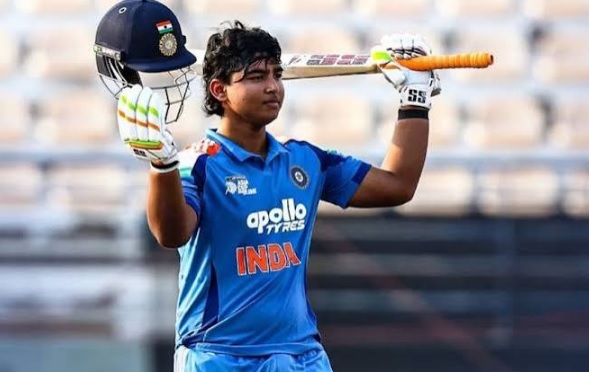
Yet, the true point of difference in this line-up rests on younger shoulders. With his milestone international debut now behind him, teenage prodigy Vaibhav Sooryavanshi looks primed to play his natural, destructive game, even as India’s rigid tactical transition leaves Sanju Samson out in the cold. While his debut in Manchester yielded a brief, tantalising cameo featuring two clean, towering maximums off the English bowling attack, it was not enough to halt a clinical English march.
There will, however, be no sentimental backtracking from the team management. This aggressive, forward-looking blueprint means the status quo is firmly locked in. The immediate casualty of this relentless tactical reshaping remains Sanju Samson. Having sat out the second T20I to accommodate the team’s youth-centric restructuring, the Kerala batter looks increasingly likely to remain a spectator for the remainder of the UK tour. With national selectors already signalling a long-term freeze by omitting him from the upcoming Zimbabwe itinerary, the door appears to be slammed shut as India doubles down on its new generation.

Defending the squad’s sudden dip during this experimental cycle, assistant coach Sitanshu Kotak urged a broader perspective.
“In the last two years, we haven’t lost a single series. We won the (T20) World Cup, we won the Asia Cup T20. (But) after losing two matches, so many people have said ‘they are losing now’,” Kotak said.
“It is (the nature of the) game. Sometimes, when there is a transition — the captain has changed, Hardik is not there, (and) you are trying to introduce 3-4 young players — even then, it should not happen, but such things can happen. The Indian team’s efforts remain the same.”
“Everyone has their limitations, but we always try that (to improve) in batting, bowling, and fielding. If we are looking at winning the next World Cup, we will have to get better. We have to do better than what we have done in the last World Cup,” Kotak said.
India: The batting line-up will remain unchanged, with Sooryavanshi and Abhishek Sharma maintaining their ultra-aggressive setup at the top. The real headache lies in the bowling department. After a horror outing at Old Trafford where leg-spinner Ravi Bishnoi leaked 60 runs in his four overs—including a match-turning 29-run over against Jacob Bethell—his place is under immense scrutiny. The management might consider dropping Bishnoi to bring in an extra specialist pacer, or turning to Washington Sundar to offer powerplay control and lower-order batting depth.
England: Harry Brook’s side has a settled, ominous look. After teenager Jacob Bethell’s blistering, unbeaten 76 took the game away from India in Manchester, England’s middle-order looks formidable. With Sam Curran hitting his straps with the ball and the explosive opening duo of Phil Salt and Jos Buttler waiting to break out, the hosts have announced an unchanged XI.