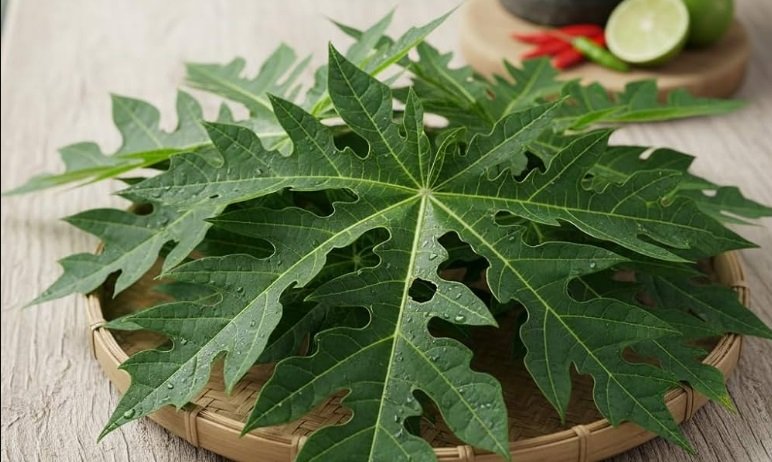
New Delhi: A falling platelet count is one of the concerns that often causes anxiety during dengue. This has also fuelled interest in papaya leaf juice and extracts, which are popularly believed to help raise platelet levels. But research so far does not establish papaya leaf as a proven treatment for dengue-related thrombocytopenia. While some studies have reported a faster rise in platelet counts, evidence on whether this translates into fewer complications or better outcomes remains limited.
More importantly, platelet count is only one part of dengue assessment. In a communication with News9 Digital, Dr Sanchayan Roy, Senior Consultant – Internal Medicine, Apollo Spectra Hospital, Delhi, explains why platelets fall during dengue, what research says about papaya leaf preparations and why relying on a platelet number alone can be risky.
Why platelets fall during dengue
Dengue can lower platelet levels by affecting both their production and survival. The virus may temporarily suppress bone marrow activity, reducing the production of platelets and their precursor cells.
At the same time, immune-mediated destruction and increased removal of platelets from the bloodstream can contribute to thrombocytopenia. Platelets may also be activated and consumed during the body’s inflammatory response.

“The decline typically occurs during the febrile and critical phases of illness,” Dr Roy said. However, he stressed that platelet count alone does not determine disease severity. Symptoms, haematocrit and other clinical parameters also need to be assessed.
Can papaya leaf raise platelet levels?
Papaya leaf has attracted scientific interest because some of its phytochemicals, including flavonoids and phenolic compounds, may influence platelet production or reduce platelet destruction.
“Proposed mechanisms include effects on megakaryocytes and thrombopoietic pathways,” Dr Roy explained, adding that these mechanisms have not been conclusively established in humans.
Some studies have reported increased platelet counts after using papaya leaf preparations. However, the available evidence remains limited and varies across studies.
“There is currently insufficient evidence to consider papaya leaf a proven treatment for dengue-related thrombocytopenia,” he said.
What clinical studies show
Some clinical trials and systematic reviews have reported that papaya leaf preparations may be associated with a faster rise in platelet counts among dengue patients. However, the studies have generally been small and have used different preparations, doses and research methods.
More importantly, evidence that papaya leaf reduces significant bleeding, complications, hospitalisation or deaths is far less convincing.
“An observed platelet increase should not automatically be interpreted as improved clinical outcomes,” Dr Roy said.
Papaya leaf preparations should therefore not replace medical monitoring, appropriate hydration or other supportive care recommended for dengue.
Can papaya leaf preparations cause harm?
Papaya leaf juice and concentrated extracts are not entirely risk-free. Their composition and concentration can vary depending on how they are prepared, while safety data for different products remain limited.
Some people may experience gastrointestinal symptoms or other adverse effects. Contamination and possible interactions with medicines are additional concerns.
Most importantly, relying on papaya leaf instead of appropriate medical care can be dangerous, particularly when warning signs appear.
“Patients should inform their doctor about any herbal preparation they are taking and should not assume that a natural product is automatically safe or effective during dengue,” Dr Roy advised.
Is platelet count enough?
No. Platelet count is only one part of dengue assessment. Doctors also monitor warning signs such as persistent vomiting, abdominal pain, bleeding, breathing difficulty, restlessness or lethargy, along with blood pressure, pulse, urine output and haematocrit.
A rapid platelet decline accompanied by rising haematocrit may indicate plasma leakage and requires careful monitoring.
Patients with warning signs, significant bleeding, shock, severe organ involvement or difficulty maintaining hydration may need urgent hospital care.
The key takeaway is that dengue management should focus on the patient’s overall clinical condition rather than chasing a particular platelet number.