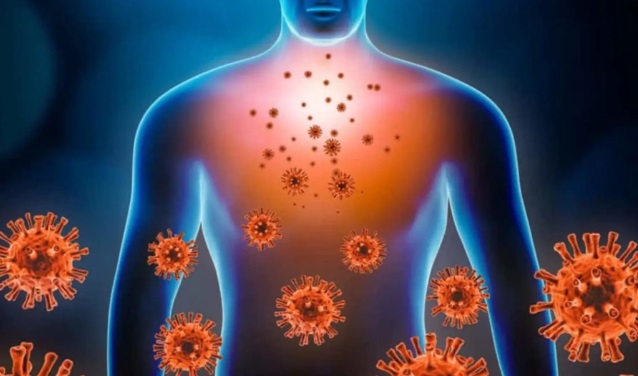
NEW DELHI : Having a strong immunity that can fight off disease and keep you strong and healthy. The body’s immune system is your natural defence system that uses a network of cells, tissues, and organs to recognise, attack, and destroy foreign invaders – like bacteria, viruses, and toxins – that cause infection and disease.
According to the National Cancer Institute, a person’s immunity can be broadly divided into two types:
Innate Immunity: This is the immediate, general defence system you are born with. It includes physical barriers like your skin, the mucus in your respiratory tract, and stomach acids that prevent harmful substances from entering.
Adaptive (Acquired) Immunity: This is a specialised system that develops over your lifetime. When you are exposed to a specific germ (or receive a vaccine), your body produces customised proteins called ‘antibodies’ to neutralise that specific threat. It also retains “memory” of the invader, allowing it to fight off future exposures much faster

Protect your gut from bad food
Your digestive tract is the main entry point for foreign substances, and nearly 70–80% of your immune system sits in the gut. Specialized immune tissues (GALT) in your intestinal wall act like gatekeepers, constantly checking food and microbes to decide what’s safe and what’s harmful. Trillions of friendly microbiomes train your immune cells to distinguish healthy cells from pathogens, and a healthy gut maintains a mucosal barrier that stops harmful microorganisms from entering your bloodstream. Choose fermented, probiotic‑rich foods like curd, kanji, pickle and buttermilk, and avoid unhealthy, hard‑to‑digest proteins such as gluten and lectins whenever possible.
Keep your antioxidant supply steady
Antioxidants help neutralise free radicals and support overall immune resilience, especially during seasonal changes. Your body synthesises key antioxidants like glutathione from good‑quality proteins, so focus on a protein‑rich, balanced diet. You can also discuss supplements such as CoQ10, vitamin C, adaptogens and essential minerals with a health expert, and include natural sources like amla for extra vitamin C.
Use exercise as an immune booster
Regular movement doesn’t just tone muscles; it supports immunity. Exercise improves lymphatic drainage (helping waste removal), regulates stress hormone cortisol, and enhances circulation of immune cells throughout the body. Aim for a mix of cardio and strength training several times a week to keep immune responses efficient.
Support strong, healthy bones
Bone marrow is the “birthplace” of immune cells, where B cells mature and T cells are produced and receive signals for proper functioning. To keep bone marrow healthy, include nutrients like vitamin D, vitamin K2‑MK7, vitamin C, zinc, magnesium, calcium and adequate protein in your diet, along with regular resistance training. Strong bones mean a robust, ongoing supply of immune cells, especially when seasonal transitions increase demand on your system.