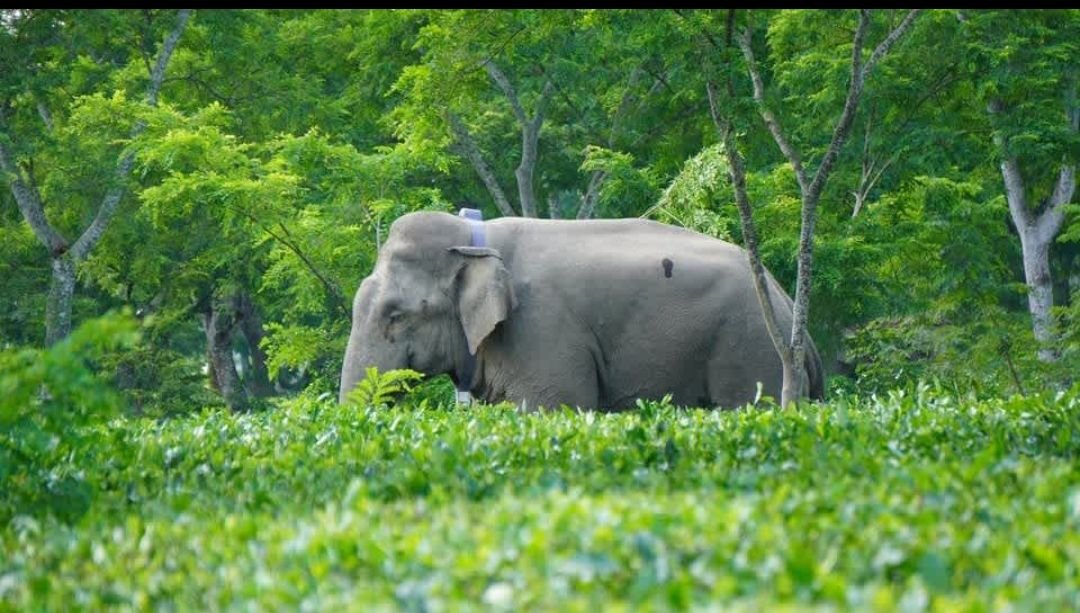
Assam: A five‑Year GPS‑tracking Study conducted Jointly by the Assam Forest Department and WWF‑India has Produced detailed, high‑resolution evidence on movement and habitat use by wild Asian Elephants across Assam, highlighting tea Gardens and river corridors as major transit routes. Between 2021 and 2026, researchers fitted GPS collars on four matriarchal herds and one solitary male in three districts with Significant human‑Elephant conflict: Udalguri, Sonitpur and Biswanath. The collars Generated more than 38,000 high‑resolution GPS locations, revealing seasonal mobility Patterns across multi‑use landscapes that include forests, tea Plantations, agricultural fields and riverine Channels. The findings, released today by Forest Minister Jayanta Malla Barua as the report “Tracking the Giants: Movement and Habitat‑Use Patterns of GPS‑Collared Elephants in Assam,” confirm that Assam remains a Stronghold for Asian Elephants but that habitat loss and ecological degradation are altering Elephant behaviour and increasing conflicts with People. The study links crop and Property damage, human injuries and fatalities, and Elephant injuries or deaths to the Changing landscape and amplified Human–Elephant interactions. Collared Elephants extensively used Sonai‑Rupai, Behali and Bornadi wildlife sanctuaries, while tea Gardens frequently served as movement corridors and secondary habitats, increasing opportunities for human contact. Home ranges of matriarchal herds expanded during Paddy sowing and harvesting seasons, a Period the Study found to correspond with heightened human–Elephant conflict. River Channels emerged as important north–south conduits, with Elephants moving from Himalayan foothill tracts to the Brahmaputra Chapori Grasslands. Several movement routes intersected roads, railways and Settlements, Elevating risk for both humans and Elephants and underscoring the need for rapid mitigation measures. During the dry season, cross‑border movements from Udalguri toward Bhutan Jomotshangkha Wildlife Sanctuary were recorded, emphasizing the need for transboundary coordination. The report recommendations include: developing location‑ and season‑specific management Strategies, implementing GPS‑informed crop‑Protection and early‑warning Systems, enforcing speed restrictions, signage, wildlife Passages and safety measures on roads and railways that intersect Elephant routes and Establishing collaborative Protocols with the tea industry to channel Elephant movement through designated corridors. It also calls for strengthened corridor conservation and joint monitoring with Bhutan. Dr. Vinay Gupta, Principal Chief Conservator of Forests (Wildlife), said the report provides robust Scientific evidence on Elephant Presence and movement in the State and will support Stronger human–Elephant coexistence Policies. Aritra Kshetri, head of Elephant conservation at WWF‑India, noted that high‑resolution GPS data clarified Primary and secondary habitats and seasonal movements—information crucial for conflict management. The study concludes that sustained scientific monitoring, coordinated engagement with local communities and enhanced cross‑border collaboration are essential to secure coexistence between People and Elephants in Assam Changing landscapes.