Deepawali, meaning a row of lamps, embodies the meaning of a row of lamps. Diwali is a beloved festival of the Indian people, marking the festival of light in the holy month of Kartik. Today’s festival of lights carries many cultural traditions dating back to ancient times. The profound influence of non-Aryan, Aryan, Yaksha, and Buddhist cultures is still visible in this festival. The seeds of Diwali’s current form can be seen in the Vedic period. “Tamaso Ma Jyotirgamay” in the Brihadaranyaka Upanishad and “Shri Sukta” in the Rigveda signify light and the worship of Lakshmi. However, Diwali is not mentioned extensively in Vedic literature. Vatsyayana’s Kama Sutra does mention Yaksha Ratri, Kaumudi Jagran, and Suvasantak. Within this festival, the tradition of worshipping Yakshas and gambling was found on the occasion of Yaksha Ratri on the new moon day of Kartik. The worship of Kubera on Diwali is a part of this.
According to various Grihasutra texts, on this occasion, a yajna was performed to appease gods like Pashupati, Indra, and Ashwin. On this day, the entire city was decorated like a bride. House entrances were adorned with colorful flowers, puffed rice, auspicious pots, and flags. In the evening, people lit lamps and toured the city. Diwali was celebrated on Kartik Shukla Pratipada or Amavasya, when the Sun was in Libra. This was called the “Pratipadakoyashtikakarshan” festival, which we know today as Dev Diwali. The five-day festival begins on Dhanteras and ends on Bhai Dooj.
It was celebrated with joy even during the Mughal period. The Diwali fireworks are a Mughal legacy. Scholar Abdul Rahman writes that countless lamps were lit. Women would apply kajal to raw lamps and apply it to all of them. Women were specially adorned for this occasion. Akbar and Jahangir can also be seen in numerous ancient miniatures lighting fireworks on Diwali. Rajasthan ruler, Jagat Singh, is depicted sitting at a window, watching the city illuminated by lamps. Meanwhile, King Ram Singh is seen celebrating Diwali in a boat. The mention of Diwali as Yaksha Ratri in the Desi Namamala Kosh and Varaha Purana automatically proves that Diwali is a combination of Vatsyayana’s Yaksha Ratri and Kaumudi Jagran.
The use of the words “Shri Sukta” and “Maninasaha” (the name of the goddess Lakshmi) depicts the relationship between Lakshmi and the Yaksha Manibhadra. Kubera is considered the ruler of the Yakshas and the god of wealth. In the Mahabharata, Lakshmi is described as Kuber wife. Consequently, Lakshmi and Kubera are depicted together in some ancient sculptures. Lakshmi bestows prosperity, and Kubera is the giver of wealth. Ganesha is the remover of obstacles, and therefore resides with Lakshmi. Lakshmi is associated with the elephant, and Ganesha is also associated with Gajanana. This led to the worship of both.

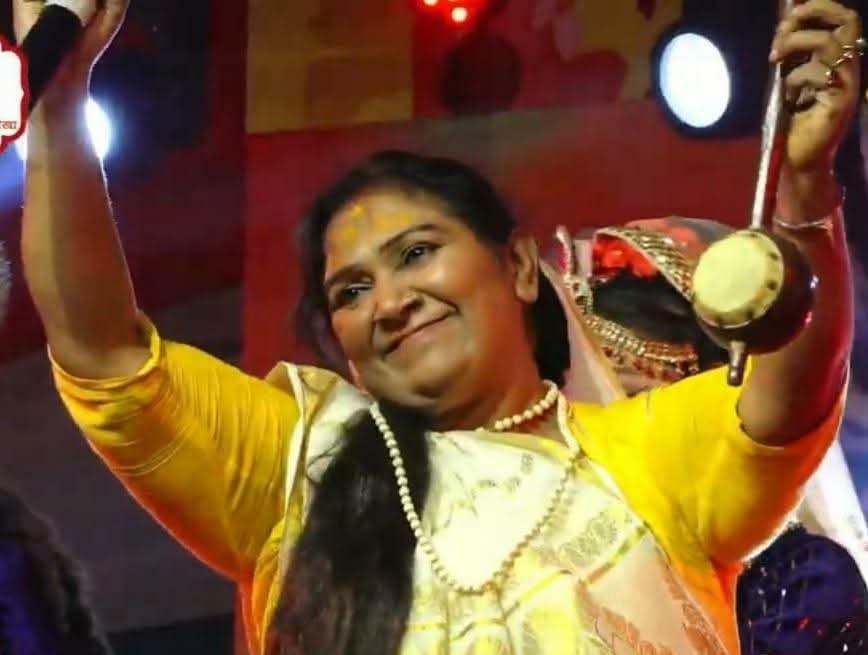
Even today, women in the form of Lakshmi drive away poverty from their homes by playing the slit during the final prahar on the night of Pratipada. The Sri Sukta states that we should seek refuge in Lakshmi and pray for the removal of Alakshmi.
The Kalika Purana describes that Mahakali destroyed the demons on this very festival. The foreign traveler Alberuni wrote that Lakshmi freed Bali, imprisoned in the seventh underworld, for this one day. Diwali is celebrated with this joy. In Maharashtra, a figure of King Bali is made from rice flour or cow dung and worshipped on this day.
In the south, it is associated with Narakasura. According to the Mahabharata, Krishna killed Narakasura. At the time of his death, he prayed to Krishna that his death day be celebrated as a memorial day. Therefore, on this day, before sunrise, the same rituals are performed as during funeral rites. After bathing, a lamp and a ball of flour are made, lit, extinguished with the left toe, and then bathed again.
In North India, Rama is associated with his coronation. When Lord Rama returned to Ayodhya from Lanka, the people of Ayodhya lit lamps. On this day, King Vikramaditya of Ujjaini ascended the throne. The Vikram Samvat began on Kartik Shukla Pratipada. The Lakshman Sen Samvat of Mithila and Bengal the Vallabhi Samvat of Gujarat and the Nivar Samvat of Nepal all began on this day.
The death anniversaries of Lord Mahavira, Maharishi Dayanand Saraswati, the founder of the Arya Samaj and Swami Ramtirtha also fall on Diwali. Sikh Guru Ramdas laid the foundation stone of the Golden Temple on the same day of Diwali.
In Braj, this festival is celebrated as Kartik Parva. Bathing in the Yamuna, donating lamps, and performing parikrama (circumambulation) are of paramount importance during these days. Devotees fulfill their wishes by circumambulating the 84-kos (84-kos) circumambulation (84-kos).
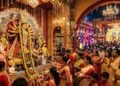
The festival of leading from darkness to light is the soul of the Indian people. The entire Indian society awaits it. After cleaning, whitewashing, and beautifying their homes, people await the arrival of Goddess Lakshmi and offer her new arrivals food grains, kheel, and sweets as naivedya (offerings). May Goddess Lakshmi bless and bless everyone.
Dr. Seema Morwal
Braj culture expert and litterateur Mathura