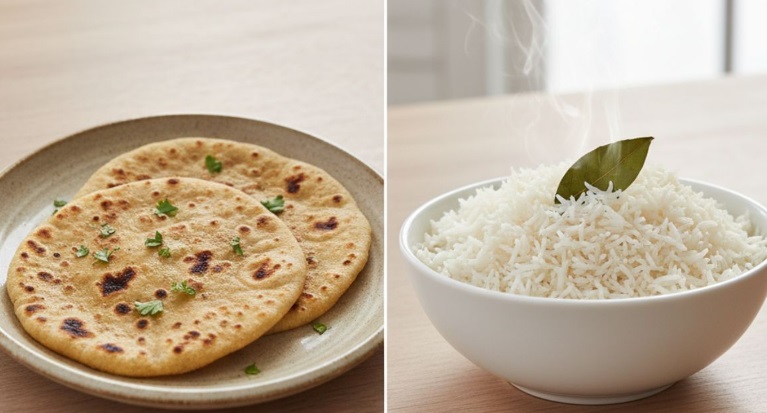
NEW DELHI : When it comes to healthy eating in India, few debates are as common as: “Should I eat roti or rice?” While many people automatically label rice as “fattening” and roti as the healthier choice, nutrition science tells a more nuanced story. In an interview with HT Lifestyle, Dr Archana Batra, dietitian and certified diabetes educator, decodes the difference between the two.
Understanding the nutritional difference
Dr Archana said, “The truth is, neither roti nor rice is inherently better—the right choice depends on your body, lifestyle, and overall dietary pattern.
Roti is typically made from whole wheat flour, making it richer in dietary fibre, protein, and certain micronutrients such as magnesium and B vitamins. Rice, on the other hand, varies greatly depending on the type. White rice is more processed and lower in fiber, while brown rice retains its bran and germ, making it more nutrient-dense.
A medium-sized roti generally contains around 70–100 calories, while a cup of cooked rice contains approximately 130–200 calories, depending on the variety and preparation. However, calories alone do not determine whether a food is healthy.

The glycemic index matters
According to Dr Archana, one reason rice often gets a bad reputation is its glycemic index (GI)—a measure of how quickly a food raises blood sugar. White rice tends to have a higher GI than whole wheat roti, which means it may lead to a faster rise in blood sugar levels.
However, context is important. Eating rice with dal, vegetables, curd, or protein-rich foods slows down glucose absorption and improves satiety. Similarly, eating multiple rotis with little protein or fiber may not necessarily be healthier.
Digestibility and gut health
For some individuals, rice can actually be easier to digest than roti. People with digestive issues, sensitive stomachs, or those recovering from illness may tolerate rice better. Rice is naturally gluten-free, making it suitable for individuals with gluten intolerance or celiac disease. Meanwhile, the fibre in whole wheat roti can support gut health and keep you fuller for longer. However, excessive fiber may cause bloating in some people, especially those with certain gastrointestinal conditions.
Which is better for weight loss?
Dr Archana said, “Neither food directly causes weight gain. Weight gain occurs when calorie intake consistently exceeds calorie expenditure. In fact, many people lose weight while eating rice regularly, just as others do while eating rotis.” Portion size and meal composition matter more than whether you choose rice or roti. A balanced plate containing carbohydrates, protein, healthy fats, and vegetables is far more important than eliminating one staple.
The roti-versus-rice debate often oversimplifies nutrition. If you are physically active, have no medical restrictions, and maintain balanced meals, both can fit into a healthy diet. Instead of asking “Which is better?” A more useful question may be: “Which option works best for my body, health goals, and lifestyle?”