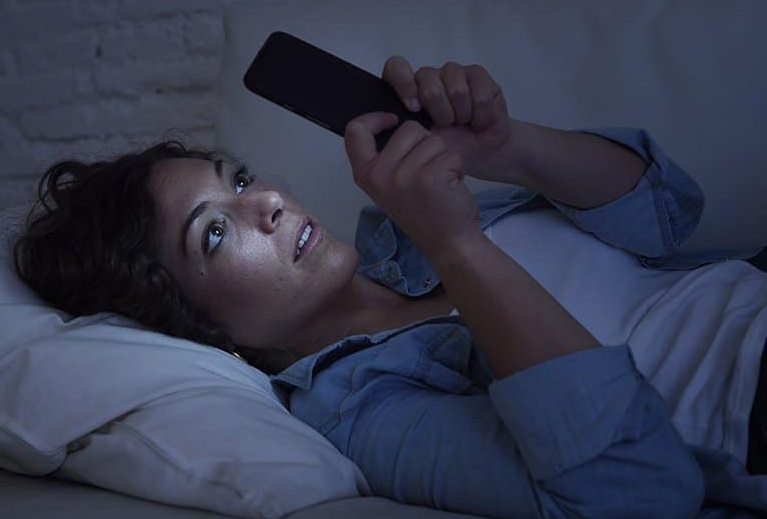
New Delhi: Screens are no longer optional. Work, studies, entertainment, and more…almost everything today asks us to look at a screen for hours at a stretch. And while there’s no escaping digital life, many people quietly wonder the same thing: How much screen time is too much for the eyes?
The reassuring truth is that screens don’t permanently damage eyesight. According to Dr Khushboo Gupta, Consultant Ophthalmologist at Saraswati Eye Care Center – Jind Pediatric and Squint specialist, “Excessive, uninterrupted screen use can cause digital eye strain, a condition that makes eyes feel tired, dry and unfocused. Understanding where the real risk lies and how to manage it can go a long way in keeping your eyes comfortable and healthy.”
What really happens to your eyes when you stare at a screen
When you look at a digital screen, your eyes are constantly working to maintain focus. Over time, this effort leads to symptoms many people now consider “normal” dryness, headaches, blurred vision or a burning sensation.
One of the biggest reasons behind this discomfort is reduced blinking. Under normal conditions, we blink around 15–20 times a minute. While using screens, that rate almost halves. Fewer blinks mean less natural lubrication, which is why eyes start to feel dry and irritated by the end of the day.

So, how much screen time is too much?
There’s no single number that applies to everyone. Age, screen type, lighting and individual eye health all matter. That said, eye specialists do follow some broad, practical guidelines. Dr Khushboo recommends:
For adults, screen exposure of 8–12 hours a day is common due to work. While this may be unavoidable, problems arise when screens are used continuously without breaks. Experts suggest keeping recreational screen time to around two hours a day, wherever possible, outside of work.
For children, screen limits matter even more because their eyes are still developing. General recommendations include:
- Ages 2–5: up to one hour of screen time per day
- Ages 6–18: about two hours of leisure screen time daily
- During online classes or homework, frequent breaks are essential.
Warning signs your eyes need a break
Your eyes are usually the first to signal when screen habits need correction. Persistent headaches, constant dryness or burning, difficulty focusing, redness, or disturbed sleep patterns are all signs that screen strain is building up. In children, irritability and restlessness are common red flags. Ignoring these symptoms and pushing through discomfort often makes things worse over time.
How to use screens without stressing your eyes
Reducing screen time isn’t always realistic, but using screens smarter makes a noticeable difference. The 20-20-20 rule is one of the simplest habits to adopt. Every 20 minutes, look at something 20 feet away for 20 seconds. It gives the eye muscles a brief but effective reset.
Conscious blinking helps too. For every hour of screen use, a 5–10 minute break allows both the eyes and the body to relax. For people prone to dryness, lubricating eye drops can offer relief, especially during long workdays.
Dr Khushboo concludes, “If eye strain continues even after adopting these habits or if you experience changes in vision consult an eye specialist. They can check for refractive errors, dry eye conditions, or recommend glasses designed for computer use.”