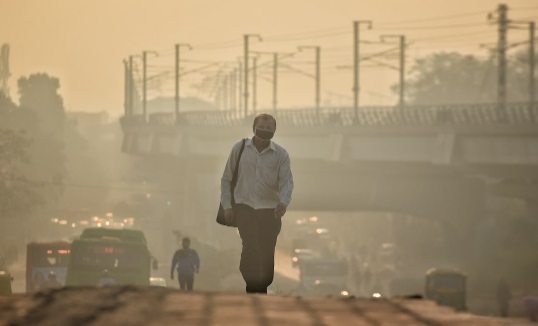
New Delhi: Air pollution in India has moved far beyond familiar seasonal spikes. A growing body of research shows that breathing polluted air over long periods accelerates chronic illnesses that already affect large sections of the population. This has made air pollution a significant driver of the country’s non-communicable disease burden. Current assessments indicate a consistent loss of healthy years of life because exposure remains widespread and persistent.
In an interaction with TV9 English, Dr. Sabine Kapasi, Global Health Strategist and a UN advisor, explained how air pollution is silently worsening the non-communicable disease crisis in India.
How Kanso can bring clarity to your chaotic schedule: Japanese guide to simplicity
The Air Quality Life Index 2025 from the Energy Policy Institute at the University of Chicago reports that every person in India is exposed to PM2.5 levels higher than the World Health Organization limit of 5 micrograms per cubic metre. This reduces average life expectancy by 3.5 years. The impact is highest in Delhi NCR at 8.2 years. Bihar, Haryana, and Uttar Pradesh also show significant losses.
How Pollution Harms the Body
The reduction in life expectancy reflects known biological mechanisms. Fine particulate matter reaches the deepest parts of the lungs, enters the bloodstream and creates long term inflammation. This affects the heart, lungs and brain. According to the World Health Organization, 83 per cent of premature deaths linked to air pollution arise from chronic diseases including heart disease, stroke, chronic obstructive pulmonary disease and lung cancer.

The State of Global Air 2025 report estimates that two million people in India died in 2023 due to diseases related to air pollution. This represents a 43 per cent increase since the year 2000. Eighty-nine per cent of these deaths were caused by non-communicable diseases such as heart disease, diabetes, chronic obstructive pulmonary disease, lung cancer and dementia.
Effects Across Age Groups
Air pollution influences both, early onset and faster progression of chronic disease. Air pollution can limit lung growth in children. Adults living with hypertension or diabetes may see their symptoms worsen. Older adults have higher chances of heart attacks, strokes, and cognitive decline. The State of Global Air 2025 report estimates 54,000 dementia-related deaths in India linked to PM2.5 exposure in 2024.
Strain on the Health System
The increase in disease burden is visible within the health system. Hospitals in regions with consistently poor air quality report rising respiratory cases throughout the year. This places additional pressure on cardiology, neurology, pulmonology and general medicine departments. Long term management of chronic disease requires more diagnostic tests, more medications and repeated follow up. For health care workers this means heavier caseloads and longer hours. Families experience higher financial costs due to ongoing care, investigations and treatment.
Unequal Exposure and Unequal Impact
The distribution of pollution remains uneven. North India is recorded as the most polluted region globally, with more than 544 million people living under severe pollution. Nearly half of all Indians live in areas that exceed even the national PM2.5 standard of 40 micrograms per cubic metre.
This creates wider inequality. People with lower incomes often live and work in more polluted areas and have limited access to timely care. Women face additional risks because they are primary caregivers for relatives with non-communicable diseases. The State of Global Air report also notes a higher dementia risk among women due to lifelong exposure.
Clean Air as Part of NCD Strategy
Air pollution is recognised by the United Nations and the World Health Organisation as one of the major risk factors for non-communicable diseases. Reducing PM2.5 and ozone exposure directly supports prevention. Cleaner air also strengthens India’s climate goals, reduces pressure on the health system and improves economic productivity.
Examples from other countries show that coordinated actions across transport, industry and energy can produce measurable health gains. India’s clean cooking programmes and the adoption of LPG and electric cooking in some States have contributed to improvements, but these efforts require sustained expansion.
Three areas need immediate attention.
Stronger national air quality standards: Updating standards in line with new health evidence can support more effective interventions. Meeting the current PM2.5 national limit of 40 micrograms per cubic metre could itself add 1.5 years of life expectancy for many people. Expanded monitoring networks, consistent enforcement, and improved data transparency will help states plan better.
Air Quality in Health Screening: Primary health centres can screen for patients at risk due to air pollution. Medical guidelines can record exposure history to help guide care. Hospitals can reduce their own emissions by using cleaner energy and improving waste management.
Enhancing Urban and Regional Responses: Areas with the highest pollution need effective public transport, incentives for managing crop residue, and strict enforcement of industrial standards. Ongoing funding and strong institutional capacity are required to sustain progress.
Protecting Public Health Gains
Air pollution has become India’s most significant health challenge. The evidence shows clear effects across all stages of life, from fetal development to old age. The growth of the non-communicable disease burden, the pressure on health workers, and the financial strain on families all point to a need for sustained action.
India has made progress in child health, maternal health, control of infectious diseases, and immunisation. Allowing polluted air to slow or reverse these gains would undermine years of effort. Clean air remains a basic requirement for longer and healthier lives.