Touch with World
Friday, April 17, 2026
  • Home
  • India
    • Uttar Pradesh
    • Haryana
    • Uttarakhand
    • Punjab
    • Rajsthan
    • Bihar
    • North India
    • South India
  • NCR
    • Delhi
    • Noida
    • Gaziabad
    • Gurugram
    • Faridabad
  • World
  • Politics
  • Economy
    • Business
    • Markets
    • Cryptocurrency
    • Startup
    • Real Estate
  • Crime
  • Opinion
    • Interview
  • Tech
    • Gadget
  • Religion
    • Spirituality
    • Dharma
    • Astrology
    • horoscope
  • Education
    • campus
  • Health
    • Yoga
    • Aayurveda
    • Fitness
  • Sports
  • Page3
    • Bollywood
    • Hollywood
    • Fashion
Touch with World
  • Home
  • India
    • Uttar Pradesh
    • Haryana
    • Uttarakhand
    • Punjab
    • Rajsthan
    • Bihar
    • North India
    • South India
  • NCR
    • Delhi
    • Noida
    • Gaziabad
    • Gurugram
    • Faridabad
  • World
  • Politics
  • Economy
    • Business
    • Markets
    • Cryptocurrency
    • Startup
    • Real Estate
  • Crime
  • Opinion
    • Interview
  • Tech
    • Gadget
  • Religion
    • Spirituality
    • Dharma
    • Astrology
    • horoscope
  • Education
    • campus
  • Health
    • Yoga
    • Aayurveda
    • Fitness
  • Sports
  • Page3
    • Bollywood
    • Hollywood
    • Fashion
No Result
View All Result
Touch with World
Home Business

How Corruption Is Bleeding 6% of Pakistan’s GDP Every Year!

by Touch With World
November 26, 2025
in Business, World
0
How Corruption Is Bleeding 6% of Pakistan’s GDP Every Year!

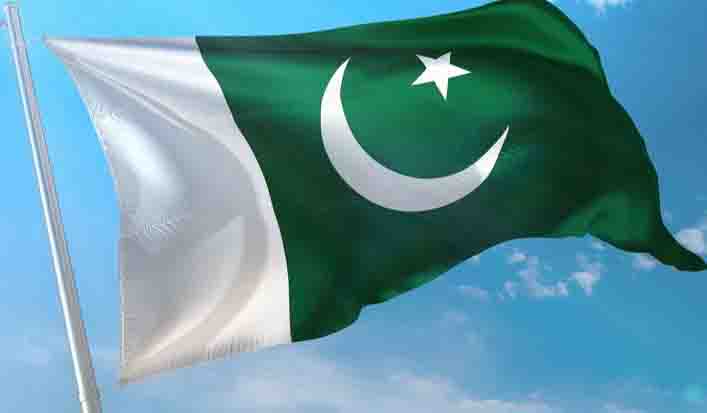
New Delhi: Economically brittle, politically unstable, and chronically dependent on bailouts …,” these were the words used by the International Monetary Fund (IMF) to describe Pakistan’s state of affairs. The 186-page Governance and Corruption Diagnostic Report released by IMF exposes Pakistan’s policy failure and highlights deep-rooted corruption in the country. The findings paint one of the starkest pictures yet of how entrenched elite capture and opaque decision-making have crippled the state’s ability to govern effectively, calling it “persistent and corrosive”.

“Corruption continues to hinder Pakistan’s macroeconomic and social development by diverting public funds, distorting markets, impeding fair competition, eroding public trust, and constraining domestic and foreign investment,” the report states.

The report further highlights that Pakistan ranks among one of the worst performing nations when it comes to tackling corruption.

IMF Flags Elite Capture as Pakistan’s Most Destructive Corruption Trend
The report warns that the most damaging form of corruption is elite capture, noting that “the most economically damaging manifestations involve privileged entities that exert influence over key economic sectors,” many of them tied to the state itself.

In a revealing statistic, the IMF highlights that between January 2023 and December 2024, Pakistan recorded Rs 5.3 trillion in corruption-related recoveries, a number the Fund emphasises “reflects only one element” of the economy’s true losses.

Pak Army Chief Asim Munir with US President Donald Trump and Pakistan PM Shehbaz Sharif.Pak Army Chief Asim Munir with US President Donald Trump and Pakistan PM Shehbaz Sharif.

The analysis goes further, describing this figure as “a narrow slice” of a much larger pool of unaccounted graft, underscoring a chronic “failure to quantify corruption’s full impact.”

IMF Slams Pakistan’s Judicial Weaknesses
The IMF delivers a sharp critique of Pakistan’s judicial system, calling it “organisationally complex”, slow, and vulnerable to political interference. It warns that judicial weaknesses “discourage reliance on courts to enforce contracts or protect property rights,” deterring long-term investment and enabling impunity for the powerful.

The report notes that corruption perception surveys consistently rank the judiciary and police among the most corrupt institutions. Citing national survey data, the Fund highlights that 68% of Pakistanis believe anti-corruption bodies are used as tools for political victimisation, deepening public distrust.

A Public Sector Built for Discretion, Not Accountability
The IMF finds “major governance weaknesses across state functions,” spanning tax administration, public procurement, state-owned enterprises (SOEs), customs, and capital spending. It highlights a “persistent gap between formal policy and actual practice,” citing excessive discretion in fiscal decisions, weak transparency, and the widespread use of supplementary grants that bypass parliamentary approval.

The report warns that state dominance of the economy, including SOEs with assets equal to 48% of GDP, creates “significant corruption vulnerabilities,” crowds out private investment, and allows politically connected entities to capture markets and rents.

Explosive Concerns Around the SIFC
The IMF also scrutinises the Special Investment Facilitation Council (SIFC), the civil-military forum controlling major investment decisions. It cautions that the SIFC “operates with untested transparency and accountability provisions,” raising serious risks of discretionary power over key economic deals.

The Fund urges publication of a comprehensive annual SIFC report, including details of all concessions, tax breaks, and regulatory waivers granted — an unprecedented call for transparency.

The Warning: Reform or Remain Stagnant
In one of its most consequential assessments, the IMF estimates that Pakistan could boost GDP by 5–6.5% within five years if it executes a package of governance reforms, including stronger procurement systems, fewer tax exemptions, improved judicial performance, and stricter rule-based oversight.

Notably, Pakistan has borrowed over 25 times from IMF since 1958, making it one of the most frequent country’s that looks for constant bailouts. The timing of the GCDA’s release coincides with the IMF board’s upcoming review, where a $1.2 billion disbursement under the 37-month, $7 billion programme is expected to be cleared.

The IMF has warned Pakistan that without the needed reforms, the country will remain locked in a cycle of “economic stagnation and dependency on external financial support” — a conclusion the analysis bluntly frames as the reason Pakistan stands “economically brittle, politically unstable, and chronically dependent on bailouts.”
 

Tags: CorruptionGDPPakistanprime ministerShehbaz Sharif

Related Posts

economy india
Business

Why India slipped to 6th-largest economy despite strong growth

April 17, 2026
0
amir hamza
main story

Laskhar Co-Founder, Behind Several Terror Attacks In India, Shot In Lahore

April 16, 2026
0
PPF
Business

PPF early withdrawal rules: What to do in a crisis to break the investment?

April 16, 2026
0
8th pay commission
Business

8th Pay Commission: Unions push for Rs 69,000 minimum pay and 6% annual hike

April 15, 2026
0
fixed deposit
Business

PPF, NSC, Sukanya Samridhi Or Bank FD? Here’s How Interest Rates Compare In 2026

April 14, 2026
0
BMW company
Business

BMW reports 3.5% drop in global deliveries amid weak China, U.S. demand

April 14, 2026
0
yog

28-minute morning yoga routine to boost metabolism and burn fat naturally

April 17, 2026
Akshaya Tritiya

Akshaya Tritiya 2026: Is Tritiya on April 19 or 20? Check date, puja muhurat

April 17, 2026
hardik pandya rohit sharma

MI told to remove skipper Hardik Pandya, bring back Rohit Sharma

April 17, 2026

Recent News

yog

28-minute morning yoga routine to boost metabolism and burn fat naturally

April 17, 2026
Akshaya Tritiya

Akshaya Tritiya 2026: Is Tritiya on April 19 or 20? Check date, puja muhurat

April 17, 2026

Categories

  • Aayurveda
  • Astrology
  • Bihar
  • Bollywood
  • Business
  • campus
  • Crime
  • Delhi
  • Dharma
  • Economy
  • Education
  • Entertainment
  • Fashion
  • Fitness
  • Gadget
  • Gaziabad
  • Health
  • Hollywood
  • horoscope
  • India
  • International
  • lifestyle
  • main story
  • Markets
  • National
  • NCR
  • Noida
  • North India
  • Politics
  • Real Estate
  • Religion
  • South India
  • Spirituality
  • Sports
  • State
  • Tech
  • Uttar Pradesh
  • Uttarakhand
  • World
  • Yoga

Site Navigation

  • Home
  • Advertisement
  • Contact Us
  • Privacy & Policy
  • Other Links
Touch with World

Editor : Sachin Malik
Office add- A-45 Sector 69 Noida Gautam Buddha Nagar Uttar Pradesh
Email I'd- touchwithworld2007@gmail.com
info@touchwithworld.com

"Touch With World" is an English-language publication, reportedly established in 2010. Records indicate the publication is an English Monthly operating from Delhi. The Editor, Sachin Malik, would have played a key role in the publication's founding and continues to shape its editorial direction, catering to a readership interested in connecting with global and national developments. Check our landing page for details.

© 2025 Touch With World - India's Most Trusted News Era Touch With World.

No Result
View All Result
  • Home
  • India
    • Uttar Pradesh
    • Haryana
    • Uttarakhand
    • Punjab
    • Rajsthan
    • Bihar
    • North India
    • South India
  • NCR
    • Delhi
    • Noida
    • Gaziabad
    • Gurugram
    • Faridabad
  • World
  • Politics
  • Economy
    • Business
    • Markets
    • Cryptocurrency
    • Startup
    • Real Estate
  • Crime
  • Opinion
    • Interview
  • Tech
    • Gadget
  • Religion
    • Spirituality
    • Dharma
    • Astrology
    • horoscope
  • Education
    • campus
  • Health
    • Yoga
    • Aayurveda
    • Fitness
  • Sports
  • Page3
    • Bollywood
    • Hollywood
    • Fashion

© 2025 Touch With World - India's Most Trusted News Era Touch With World.