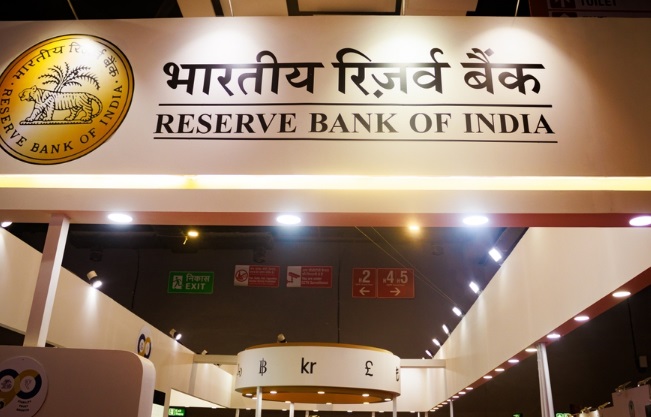
New Delhi: Reserve Bank of India (RBI) Governor Sanjay Malhotra on Wednesday announced the Monetary Policy Committee (MPC) voted unanimously to increase the repo rate by 25 bps to 5.50 per cent. A repo rate increase has a direct impact on floating-rate loans. However, if customers opt for Fixed-rate loans, generally these are not directly affected by the hike.
The repo rate is the rate at which banks borrow from the RBI. The repo rate is also known as Repurchase Option. It is the rate at which the central bank lends short-term money to commercial banks against government securities.
The repo rate hike decision is expected to impact the interest rate of home and car loans. If banks announce 0.25 percent increase, the customers will feel the pinch as interest rates on loans would increase, and EMIs would also become higher.
Repo Rate Hike Impact on Home Loans

If an individual has a home loan of Rs 50 lakh for a tenure of 25 years and the current interest rate is 7.50%, the EMI would be approximately Rs 36,950. If the lender increases 0.25% rate, the interest rate will rise from 7.50% to 7.75%, resulting in EMI rising up to Rs 37,766. Importantly, if we calculate the interest rate for the tenure of the loan, the total payout will rise significantly.
If a bank customer has taken a home loan of Rs 1 crore for a period of 20 years and the interest rate rises from 8.50% to 8.75%, the EMI would increase from approximately Rs 86,782 to Rs 88,371. The EMI will be higher by Rs 1,589 per month.
Repo Rate Hike Impact on Car loans
For instance, a car owner has taken a car loan of Rs 10 lakh for 5 years and the interest rate is 9%. However, following the repo rate hike announcement, the bank increases the interest rate to 9.25%, the EMI could rise from approximately Rs 20,758 to Rs 20,875.
Repo Rate, Interest Rates: Aspects to Know
The factors influencing loan interest rates include loan amount and tenure, Credit Score, type of loan, Market Conditions (factors like inflation, RBI’s repo rate, and monetary policy directly affect lending rates across all banks, and lender-specific criteria.
The banks fix their lending rates based on their asset-liability ratio. Loans are assets and deposits are liabilities. It may be noted that banks with larger corpus of lower interest rate deposits may not immediately pass on the full increase or pass on only a part. The article has been created with a purpose of illustration, as when the RBI increases the repo rates, borrowing loans become costlier for commercial banks, which generally tend to compensate for by raising the loan interest rate from borrowers.