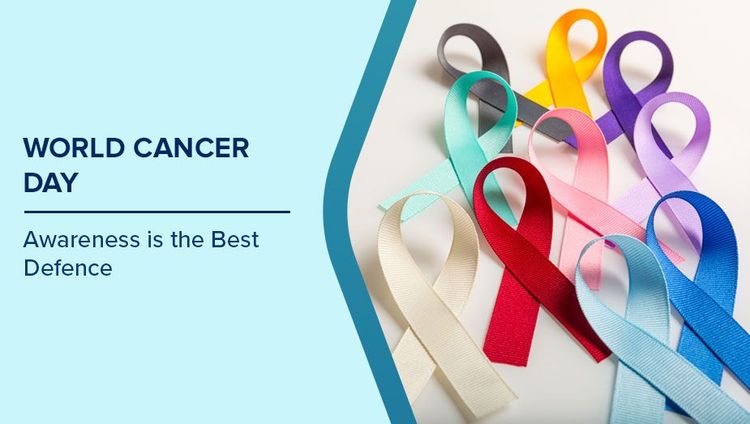
Every year, November 7 is observed as National Cancer Awareness Day in India to spread awareness about early detection, preventive lifestyle choices, and the importance of timely treatment.
While genetics and environmental factors play a role in cancer development, health experts say that lifestyle changes alone can significantly reduce your risk.
To mark this important day, leading oncologists share seven simple, evidence-backed habits that can help lower your chances of developing cancer.
1. Eat a Balanced, Whole-Food Diet
Your daily diet is one of the most powerful tools in cancer prevention.
-
Include plenty of fruits, vegetables, whole grains, and legumes in your meals.
-
Limit red meat, processed foods, and sugary drinks, as these are linked to higher cancer risk, especially colon and breast cancers.
-
Incorporate antioxidant-rich foods like berries, leafy greens, turmeric, and green tea to help combat free radicals that damage healthy cells.
🩺 Tip: A plant-based or Mediterranean-style diet has been shown to reduce inflammation and improve long-term health.
2. Maintain a Healthy Weight
Being overweight or obese is a major risk factor for several cancers, including breast, prostate, colon, pancreas, and liver cancers.
Excess body fat can cause hormonal imbalances and chronic inflammation that promote cancer cell growth.
💡 Tip: Aim for at least 150 minutes of moderate exercise per week — walking, cycling, or yoga can make a big difference.
3. Stay Physically Active
Regular movement boosts immunity, regulates hormones, and keeps your metabolism active.
Even 30 minutes of daily activity — whether it’s brisk walking, swimming, or dancing — can lower your risk of cancers like colon, breast, and endometrial cancer.
🧘 Tip: Avoid long hours of sitting. Take short activity breaks if you work at a desk or use screens for extended periods.
4. Avoid Tobacco and Limit Alcohol
Tobacco use remains the leading cause of preventable cancer deaths globally.
Smoking is linked not only to lung cancer but also to cancers of the mouth, throat, bladder, kidney, and pancreas.
Alcohol, too, increases the risk of several cancers, including breast, liver, and esophageal cancer.
🚭 Tip: If you drink alcohol, do so in moderation — no more than one drink per day for women and two for men.
5. Protect Your Skin from the Sun
Ultraviolet (UV) exposure is a major cause of skin cancer, including melanoma.
Protecting your skin daily — even when it’s cloudy — can prevent sun damage and lower your lifetime risk.
☀️ Tip:
-
Use a broad-spectrum sunscreen (SPF 30 or higher).
-
Avoid tanning beds and excessive midday sun exposure.
-
Wear hats and protective clothing when outdoors.
6. Get Regular Screenings and Check-Ups
Early detection saves lives. Routine cancer screenings help identify abnormalities before symptoms appear.
Depending on age and family history, your doctor may recommend tests such as:
-
Mammograms (for breast cancer)
-
Pap smears (for cervical cancer)
-
Colonoscopy (for colorectal cancer)
-
Low-dose CT scans (for high-risk smokers)
🩺 Tip: Don’t ignore persistent signs like unexplained weight loss, lumps, or fatigue — consult a doctor immediately.
7. Manage Stress and Sleep Well
Chronic stress and poor sleep weaken the immune system, making your body less capable of fighting abnormal cell growth.
Practicing mindfulness, meditation, and relaxation techniques can significantly improve emotional well-being and physical health.
😴 Tip: Aim for 7–8 hours of quality sleep every night, and create a calming pre-sleep routine to reduce mental fatigue.Cancer prevention is not about fear — it’s about empowerment through knowledge.
By making smart daily choices, getting regular screenings, and staying physically and mentally healthy, you can significantly lower your cancer risk and inspire others to do the same.