India’s education landscape is undergoing a significant transformation as the implementation of the National Education Policy 2020 continues to gain momentum in 2026. With a strong emphasis on digital learning, skill-based education, and flexibility, the government and educational institutions are rapidly adapting to modern learning requirements.
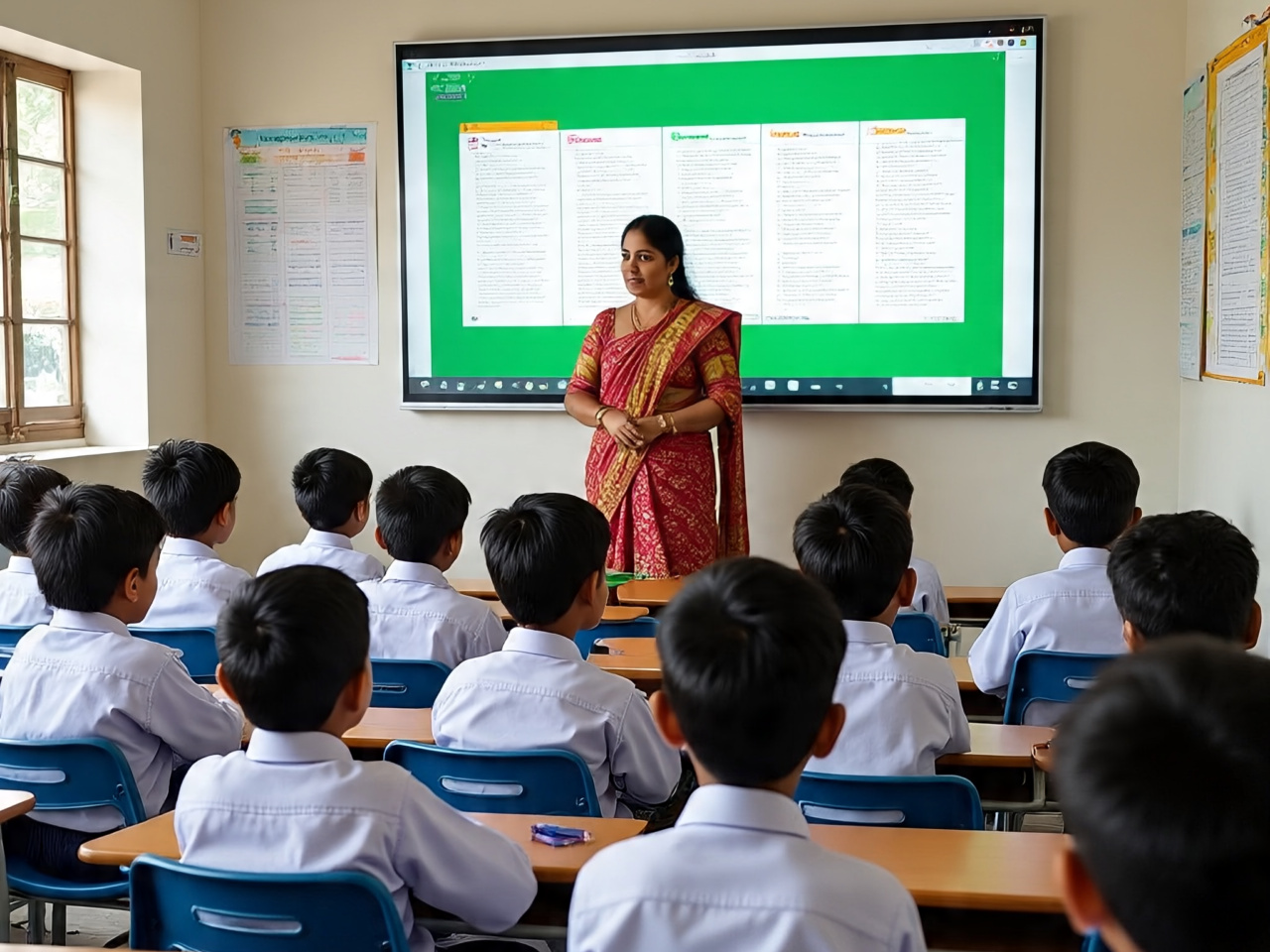
One of the key highlights of this transformation is the expansion of smart classrooms across government and private schools. Several state governments have launched initiatives to equip classrooms with digital boards, high-speed internet, and AI-powered learning tools. These advancements aim to make education more interactive, engaging, and accessible, especially for students in rural and semi-urban areas.
The University Grants Commission has also introduced multiple reforms to promote online and hybrid education. Universities are now offering blended learning programs, combining traditional classroom teaching with digital platforms. Additionally, the Academic Bank of Credits (ABC) system allows students to accumulate and transfer credits, giving them greater flexibility in pursuing their education.
Another important aspect of NEP 2020 is its focus on skill development. Schools are increasingly incorporating vocational training and practical learning modules from an early stage. This approach is designed to prepare students for real-world challenges and improve employability.
Experts believe that these reforms will bridge the gap between theoretical knowledge and practical application. However, challenges such as digital infrastructure gaps, teacher training, and accessibility still need to be addressed.
Overall, the push toward digital education marks a crucial step in modernizing India’s education system and making it globally competitive. If implemented effectively, these changes could redefine the future of learning in the country.