NEW DELHI : This year, Karwachauth will be celebrated on 29th October, 2026. On this day, married women observe nirjala vrat for their husbands’ long, healthy lives. The fast starts before sunrise with sargi, the pre-dawn meal, and ends only after the moon worship.
Whether you are observing your first Vrat or your twentieth, certain traditional rituals, if not avoided, can disrupt both peace of mind and the sanctity of the fast.
Here are five common ritual and practical mistakes that women should avoid while observing the Karwa Chauth fast.
1. Messing Up the Sargi Timing And Menu
Before observing the vrat, a sargi (pre- dawn meal) is traditionally prepared and eaten before sunrise. Many people unknowingly eat the pre-dawn meal too late or fill it up with deep-fried sweets and salty snacks.

Avoid eating heavily spiced, fried or salty food because it increases thirst later in the day.
What Should Be Done: One should eat Sargi during Brahma Muhurta, roughly 2 hours before sunrise. Once the sun crosses the horizon, the Nirjala (waterless) fast officially begins.
Instead of heavy parathas, opt for complex carbohydrates and hydration-rich foods like milk-soaked sewaiyan, fresh fruits (pomegranates, apples), nuts, and a large glass of coconut water.
2. Wearing Inauspicious Colours During the Pooja
Wearing black, white, or overly dark grey clothes during the evening Katha or Puja is considered inauspicious. In traditional Hindu rituals, especially those celebrating marital bliss, black and white colours are culturally considered unfavourable
What Should Be Done: Wear vibrant, festive shades like red, maroon, deep pink, yellow, and orange, as these colours symbolise auspiciousness and energy.
3. Handling Broken Or Imperfect Pooja Essentials
People should never use cracked clay pots, chipped glass bangles, or broken rice grains during the puja ritual, as it is believed to cause financial instability and disrupt the positive energy.
Offerings used in Karwa Chauth must represent wholeness and prosperity.
What Should Be Done: A day before Karwa Chauth, inspect your puja thali items. Make sure that the Karwa (lota) has no cracks or leaks. Always use unbroken, full grains of raw rice for the Tilak and offerings.
If a glass bangle breaks while dressing, immediately replace it before entering the pooja space.
4. Incorrect Moon Arghya And Sieve Ritual
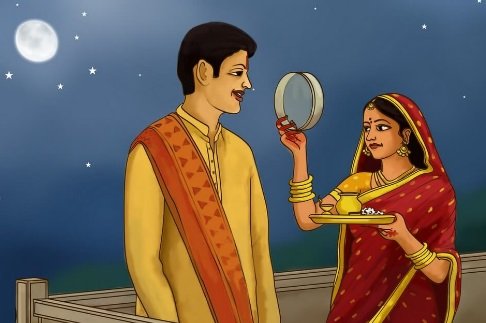
Offering water to the moon is one of the most important rituals on Karwachath. It is believed the fast is incomplete if the Moon God is not worshipped.
So, while performing the arghya, do not let the water spill onto your feet or look directly at the moon without viewing through the sieve.
What Should Be Done: Place a clean copper vessel or bowl on the floor to catch the Arghya water as you pour it toward the moon so it doesn’t splash onto your feet.
When you look at the moon, see it through the sieve with a small ghee lamp placed on it.
5. Ignoring Severe Health Warning Signs
Observing nirjala fast even when going through severe medical distress like extreme migraine, hypoglycemia, or fainting spells should be avoided. Traditional scriptures clearly state that nothing is more important than health and life.
What Should Be Done: If you are pregnant, nursing, diabetic, or on essential medication, consult a doctor before fasting.
Many traditional priests recommend a Phalahar Vrat for women with health conditions. Devotion lies in intent, not physical suffering.
So, these are five things one should avoid while observing the Karwachauth fast.