New Delhi: When someone in the family passes away, their presence may eventually become part of memories, photographs and stories. Yet Hindu tradition sets aside a specific period every year to remember ancestors through ritual. Pitru Paksha 2026 begins on September 27 and concludes on October 10 with Sarva Pitru Amavasya. During these days, families perform Shraddh, Tarpan, Pind Daan, food offerings and charity as acts of remembrance and reverence.
But why do Hindus perform Shraddh for their ancestors? The answer lies in a combination of religious belief, family duty and gratitude. For many households, Pitru Paksha is also a rare moment to consciously remember the people whose lives helped shape the family they belong to today.
What Is Shraddh?
Shraddh is a traditional Hindu ancestral rite performed with faith and reverence. The word is associated with sincerity and devotion, while the ritual itself is intended to honour departed ancestors and express gratitude towards them.
In Hindu tradition, ancestors are not simply treated as part of the past. The concept of Pitru Rina, often described as an ancestral debt, reflects the belief that every generation receives something from those who came before it. Performing Shraddh is one traditional way of acknowledging that connection and fulfilling one’s responsibilities towards departed family members.

Why Is Shraddh Performed During Pitru Paksha?
Pitru Paksha provides a dedicated period for ancestral remembrance. Shraddh is generally connected to the lunar Tithi on which an ancestor passed away, which is why families do not simply choose a date according to the Gregorian calendar. Each Tithi during Pitru Paksha has its corresponding Shraddh observance.
For example, Saptami Shraddh falls on October 2, 2026, and is traditionally observed for ancestors whose death occurred on Saptami Tithi. The same principle applies to other Tithis throughout the fortnight.
This makes Pitru Paksha deeply personal. A family may be observing the same fortnight as everyone else, yet the particular day carries the memory of a specific parent, grandparent or other ancestor.
What Is Done During Shraddh?
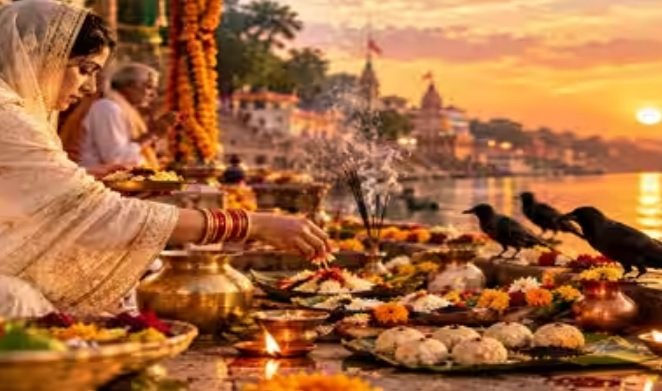
The rituals vary according to regional and family traditions, but Pind Daan, Tarpan, prayers, food offerings and feeding or charity are commonly associated with Shraddh.
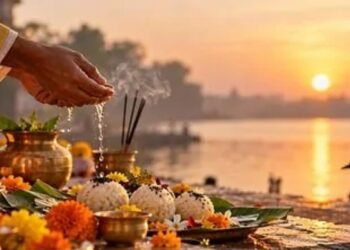
Tarpan involves offering water in remembrance of the ancestors. Traditional preparations may include black sesame, while Pind Daan involves offerings made in the prescribed form. Families may also prepare simple vegetarian food and offer it according to their customary practice.
The details can differ considerably from one household to another. Therefore, the method followed by a family priest or inherited through family tradition remains important when performing the ceremony.
Why Is The Shraddh Tithi Important?
The death Tithi matters because Hindu ancestral rites follow the lunar calendar. This can sometimes make finding the correct Shraddh date confusing, especially when the date remembered by the family falls differently on the modern calendar.
There is also a special provision for ancestors when their exact death Tithi is unknown or when the family could not perform the ritual on the appropriate day. Sarva Pitru Amavasya, which falls on October 10 in 2026, is traditionally associated with remembering all ancestors and is considered particularly significant for such observances.
What Does Shraddh Mean For A Family?
The religious purpose of Shraddh is important, but the tradition also has a very personal dimension.
A family may prepare food that a grandfather once loved. Someone may open an old album and tell children stories about a great-grandparent they never met. A name that is rarely spoken during the rest of the year may once again become part of the family’s conversation.
These small moments are one reason ancestral rituals continue to matter to many families. They create a connection between generations and help younger members understand the people and traditions behind their family history.
For believers, Shraddh also carries a spiritual purpose. Traditional Hindu texts and practices associate the ritual with offering satisfaction and peace to departed ancestors. These are religious beliefs and are understood within the framework of Hindu tradition.
Pitru Paksha 2026: Important Dates
Pitru Paksha 2026 begins with Pratipada Shraddh on September 27 and continues through the lunar Tithis until Sarva Pitru Amavasya on October 10. Maha Bharani falls on September 29, while Magha Shraddh falls on October 7.
Why Do Hindus Still Observe Shraddh Today?
Families have changed, cities have changed and many people now live far from the places where their ancestors spent their lives. The tradition of Shraddh, however, gives them a specific time to stop and remember.
At its heart, Shraddh is about acknowledging a simple truth: every family has a history, and every generation stands on the lives of those who came before it. During Pitru Paksha 2026, remembering an ancestor may begin with a ritual, but it often ends with something just as meaningful: a name remembered, a story retold and a place kept for them within the family.