NEW DELHI : The Karnataka Food Safety and Drugs Administration (FSDA) has suspended, until further orders, the food licences of Amazon, Swiggy Instamart and BigBasket after an inquiry found poisonous Datura fruits and seeds being listed and sold online as food.
The issue came to light during inspections by food safety officials, who found Datura fruits and seeds stored and offered for sale through e-commerce platforms as food products. Some packets even carried licence or registration numbers issued by the Food Safety and Standards Authority of India (FSSAI).
Food Safety Commissioner K Srinivas ordered the suspension of the platforms’ food licences and directed them to immediately remove advertisements and listings presenting Datura as fit for human consumption.
They have also been told not to sell, distribute, advertise or display its fruits and seeds as food in the future. The licences and registrations of the sellers and establishments supplying these products have also been ordered to be suspended.

The action raises a crucial safety question: What makes Datura so dangerous, and what should someone do if it is accidentally consumed?
What Is Datura?
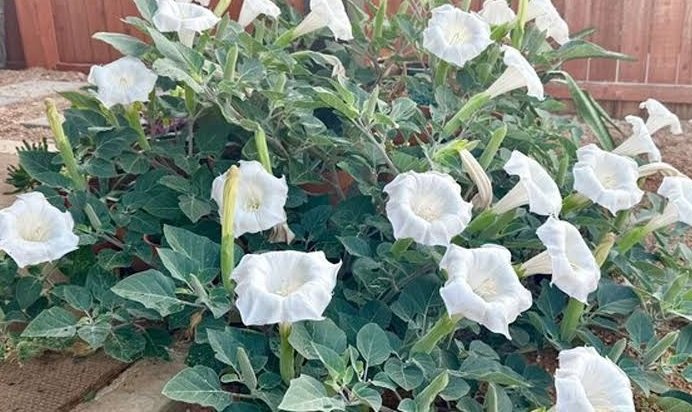
Datura is a group of poisonous flowering plants belonging to the nightshade family. Commonly called dhatura, thorn apple or jimsonweed, the plant is recognisable by its trumpet-shaped flowers and spiny, capsule-like fruits containing numerous seeds.
Although Datura has ceremonial significance and has been used in traditional systems of medicine, that does not make it safe to consume at home. Medicinal preparations, where legally permitted, require specialist knowledge and controlled processing. The raw fruit, seeds, flowers and leaves should not be eaten or used to prepare home remedies.
Why Is Datura Poisonous?
Datura contains powerful tropane alkaloids, primarily atropine, scopolamine and hyoscyamine. Their concentrations can vary depending on the plant species, the part consumed and its stage of growth, making it difficult to predict how toxic a particular fruit or batch of seeds may be. Peer-reviewed toxicology review
These chemicals block the action of acetylcholine, a neurotransmitter involved in functions such as heart rate, sweating, digestion, urination, vision and memory. Poisoning consequently produces what doctors call an anticholinergic toxidrome—a recognisable cluster of physical and neurological symptoms.
The effects are not limited to hallucinations. Severe poisoning can affect the heart, brain, breathing and regulation of body temperature.
Symptoms Of Datura Poisoning
Symptoms can differ according to the quantity consumed and the concentration of alkaloids in the plant. Warning signs may include:
- Extremely dry mouth and skin
- Dilated pupils and blurred vision
- Flushed skin
- Rapid heartbeat
- High body temperature
- Difficulty passing urine
- Reduced bowel activity
- Restlessness or severe agitation
- Confusion and disorientation
- Slurred or incoherent speech
- Hallucinations and delirium
In severe cases, poisoning may lead to seizures, abnormal heart rhythms, respiratory failure, coma, cardiovascular collapse or death.
A person experiencing hallucinations or delirium may also behave unpredictably and could unintentionally hurt themselves or others. They should not be left alone.
What To Do If Someone Consumes Datura
- Treat suspected Datura ingestion as a medical emergency, even if the person initially appears well.
- Call India’s emergency number 112 or take the person to the nearest emergency department immediately.
- Contact the National Poisons Information Centre at AIIMS on 1800 116 117. It provides guidance 24 hours a day.
- Do not wait for symptoms to develop. AIIMS advises seeking help immediately after a suspected poisoning.
- Do not try to treat the person with home remedies.
- Do not induce vomiting unless a qualified medical professional specifically instructs you to do so.
- If it can be done safely, take the product packet, listing details, remaining seeds or a photograph of the plant to the hospital. This may help doctors identify the substance.
- Tell doctors approximately how much was consumed and when, if that information is available.
- If the person is unconscious, convulsing or struggling to breathe, call emergency services immediately. Do not give them anything by mouth.
The AIIMS National Poisons Information Centre specifically advises people not to wait for the victim to feel sick, not to attempt treatment themselves and to take the person to a nearby healthcare facility. AIIMS