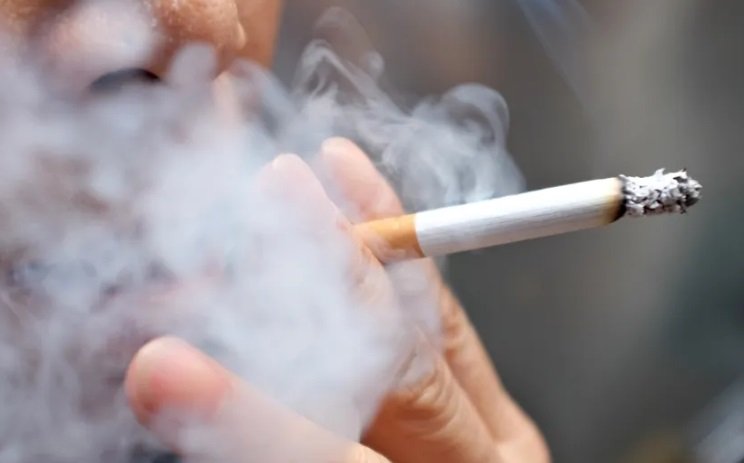
New Delhi: Smoking is often discussed as a personal habit and a major cancer risk, but tobacco exposure does not stop with the person holding the cigarette. Women who have never smoked may inhale secondhand smoke repeatedly when they live with a smoker or spend long periods in places where smoking occurs. In India, 39.3 per cent of women were exposed to tobacco smoke at home, according to the Global Adult Tobacco Survey (GATS) 2016-17.
The concern extends beyond the lungs. Tobacco smoke contains toxic and cancer-causing chemicals that can reach the mouth and may also influence the gut microbiome, the vast community of bacteria involved in digestion and immune function. Dr Asit Arora, Lead, GI & HPB Surgical Oncology, Apollo Athenaa Women’s Cancer Centre, told The Times of India that newer research is examining how tobacco smoke may affect the gut and mouth through changes in these microbial communities.
Secondhand smoking impact
Secondhand smoke does not simply disappear after it is inhaled. Repeated exposure means the body continues to encounter tobacco-related chemicals, including substances known to damage cells and promote inflammation.
Research into smoking has also found that tobacco exposure can disturb the balance of bacteria in the gut. These changes may affect beneficial microbes, increase inflammation and weaken the gut barrier, which normally helps keep harmful substances from entering surrounding tissues.

This has raised interest in a possible connection between tobacco exposure and colorectal cancer. However, the available evidence needs to be interpreted carefully. Research has not established secondhand smoke as a direct cause of colorectal cancer in the same way that active smoking is recognised as a cancer risk.
Dr Arora told The Times of India, “Research published in the journal Gut found that cigarette smoke exposure alters the composition of gut bacteria in ways that promote colorectal tumour growth, reducing beneficial microbes, boosting harmful ones, and damaging the gut’s protective lining.”
Much of this evidence comes from research on active smoking and experimental models. It points towards a possible biological mechanism but does not prove that passive smoking causes colorectal cancer in women.
Mouth gets direct exposure
The mouth is another area that comes into direct contact with secondhand smoke. A systematic review and meta-analysis has reported higher odds of oral cancer among people exposed to secondhand smoke, with longer exposure associated with greater risk.
Tobacco smoke may also disturb the microbial environment inside the mouth and contribute to inflammation and changes in oral tissues. However, secondhand smoke is only one potential factor. Tobacco chewing, alcohol consumption, HPV infection, poor oral health and other factors can also influence oral cancer risk.
Non-smokers have significant exposure
Calling someone a non-smoker does not necessarily provide the complete picture of their tobacco exposure. Indian data indicates that women can face substantial exposure to secondhand smoke within their homes.
For doctors, asking about tobacco exposure may therefore be useful during routine medical history-taking. Living with a smoker, spending several hours around tobacco smoke every day and having such exposure for many years can provide important context.
Smoke-free spaces as strongest protection
“A smoke-free home and car” can significantly reduce repeated exposure, while awareness can help people recognise when tobacco smoke is part of their environment.
Dr Arora told The Times of India, “Doctors emphasise this isn’t cause for alarm but for awareness.”
Unusual bleeding, continuous mouth sores, changes in bowel patterns, blood in the stool or unexplained weight loss warrant medical attention. These symptoms should not simply be dismissed as signs of stress or getting older.
The harmful effects of secondhand smoke are already well established. While scientists continue to investigate its possible impact on gut bacteria and cancer development, avoiding tobacco smoke remains important. Never smoking lowers tobacco-related health risks, but repeated exposure to smoke from others still exposes the body to harmful substances.