New Delhi: Quitting smoking is one of the most powerful decisions a person can make for their health. Within hours of the last cigarette, the body begins to heal. Over the years, the risk of heart disease, stroke and several cancers steadily declines. But a new study suggests that while smokers may quit cigarettes, their lungs may not entirely forget the damage.
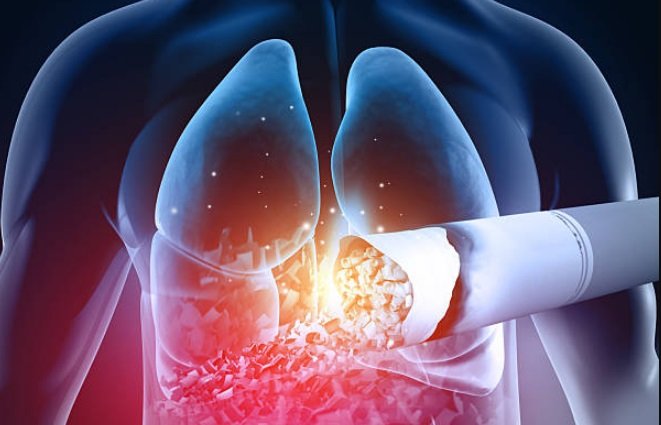
Researchers have uncovered fresh evidence explaining why former smokers continue to face an elevated risk of chronic lung diseases long after they stop smoking. The findings indicate that smoking leaves behind long-lasting biological changes in key immune cells inside the lungs, potentially making them more vulnerable to inflammation and disease even years after nicotine is gone. The study offers one of the clearest explanations yet for a medical mystery that has puzzled scientists for decades: why ex-smokers remain at greater risk than people who have never smoked.
New research reveals why former smokers remain vulnerable to lung disease years
The research, led by scientists at McGill University, found that different lung cells recover from smoking at different rates. While some cells gradually regain a healthier state after smoking cessation, others appear to retain a distinct “biological signature” of previous tobacco exposure.
According to the researchers, these persistent alterations are particularly evident in alveolar macrophages – specialised immune cells that patrol the lungs, remove harmful particles and help fight infections. Instead of fully returning to their pre-smoking state, many of these cells continue to behave differently, maintaining patterns linked to inflammation and impaired immune responses.

Senior author Professor Carolyn Baglole noted that although current smokers remain at the highest risk for smoking-related illnesses, former smokers consistently have a higher disease risk than people who have never smoked. The new findings help explain the biological basis for that lingering vulnerability.
Why does this matter
Doctors have long observed that people who quit smoking decades earlier can still develop conditions such as:
- Chronic Obstructive Pulmonary Disease (COPD)
- Chronic bronchitis
- Emphysema
- Lung infections
- Lung cancer
Until now, the reasons behind this persistent risk were not fully understood.
The latest findings suggest that quitting smoking does not instantly erase the long-term changes tobacco causes in lung immune cells. Instead, some of these changes may persist for years, potentially influencing how the lungs respond to infections, pollutants and inflammation.
Does this mean quitting smoking isn’t worth it? Absolutely not
Health experts stress that the study should not discourage smokers from quitting.
In fact, the overwhelming scientific evidence shows that smoking cessation dramatically improves health at every age.
According to medical experts:
- Heart rate begins returning to normal within 20 minutes of quitting.
- Carbon monoxide levels in the blood fall within hours.
- Lung function and circulation improve over the following weeks and months.
- Cilia—the tiny hair-like structures that clear mucus and debris from the lungs – start recovering within
- weeks.
- The risk of heart disease falls substantially within the first year.
- The risk of lung cancer declines over time, although it remains higher than that of someone who has never smoked.
Experts emphasise that quitting smoking still remains the single most effective way to reduce the risk of smoking-related illnesses, even if some biological damage cannot be completely reversed.
Why doesn’t the risk completely disappear
Smoking exposes the lungs to thousands of toxic chemicals that damage cells over many years.
Some of this damage is permanent.
For example, cigarette smoke can destroy alveoli – the tiny air sacs responsible for oxygen exchange. Unlike many other tissues, destroyed alveoli cannot regenerate, contributing to diseases such as emphysema.
Smoking also causes DNA damage in lung cells. Although many damaged cells die after quitting, some survive carrying mutations that can later contribute to cancer development. This explains why former smokers remain at a higher risk of lung cancer for decades compared with people who have never smoked.
What should former smokers do
Researchers say the findings reinforce the importance of long-term respiratory care for former smokers rather than suggesting that quitting has failed.
Health experts recommend that ex-smokers:
- Stay physically active to maintain lung function.
- Eat a balanced, antioxidant-rich diet.
- Avoid second-hand smoke and vaping.
- Reduce exposure to indoor pollutants such as radon where relevant.
- Seek medical advice if they develop persistent cough, breathlessness or recurring chest infections.
- Discuss annual low-dose CT lung cancer screening with a healthcare provider if they meet eligibility criteria
- based on age and smoking history.
The new study doesn’t rewrite decades of evidence showing that quitting smoking saves lives, it strengthens our understanding of what happens after people quit. While cigarettes may leave behind a lasting biological imprint on the lungs, stopping smoking still significantly lowers the risk of premature death, heart disease and many smoking-related illnesses.