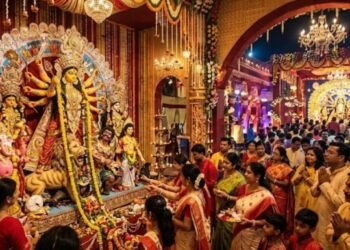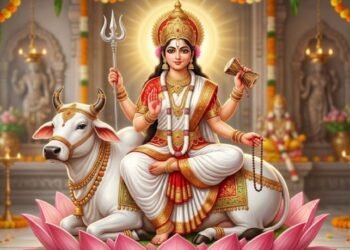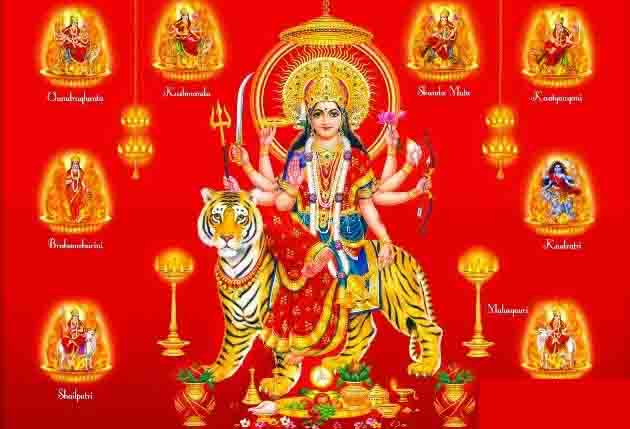
NEW DELHI : The Ashadha Gupt Navratri this year, commenced on July 15. This holy, reflective period will continue on till July 23. When one thinks of Navratras, celebrations and mirth come to mind. However, the Gupt Navratris – emphasis on the word ‘gupt’ – are diametrically opposite, and must be observed with a deep sense of obeisance. During this stretch, performing the Siddha Kunjika Sadhana is believed to bring divine grace and inner transformation for devotees. But what is it?
Understanding the Siddha Kunjika Sadhana
The Siddha Kunjika Sadhana is considered to be a powerful spiritual practice, centred around the chanting of the Siddha Kunjika Stotram. This is a ‘secret’ hymn dedicated to Goddess Durga, and is believed to have been penned by Lord Shiva Himself. Many believe that reciting this Stotram, carries the same effect as reading the extensive Durga Saptashati path, also called the Chandi Path.
Complex rituals aren’t a prerequisite for this particular sadhana – your purity of intention, and faith in recitation is what really holds the key to unlock divine grace. The mantra is considered utterly powerful, owing to the fact that it carries beej mantras.
How to Perform the Siddha Kunjika Sadhana?
Be sure to put down a red cloth on your altar, over which, place your idol or frame. Use incense sticks and offer flowers and fruit, along with bhog which should ideally be kheer or jaggery-based sweets. Make sure to not garble the pronunciations – your recitation should be affirmative and clear. Also seeing as this is Gupt Navratri, do not brag about your spiritual pursuits to others. Avoid meat, alcohol and any other tamsic foods during this time.

What Time to Perform the Siddha Kunjika Sadhana?
Gupt Navratri is the most opportune stretch to recite this stotram. Doing your sadhana in the evening hours, specifically after sunset, or conversely after 11PM at night, is believed as the most potent window for this stotram. Be sure to recite this mantra during the Sandhi Kala hour – the stretch between the end of Ashthami and the beginning of Navami, to seek divine blessings.