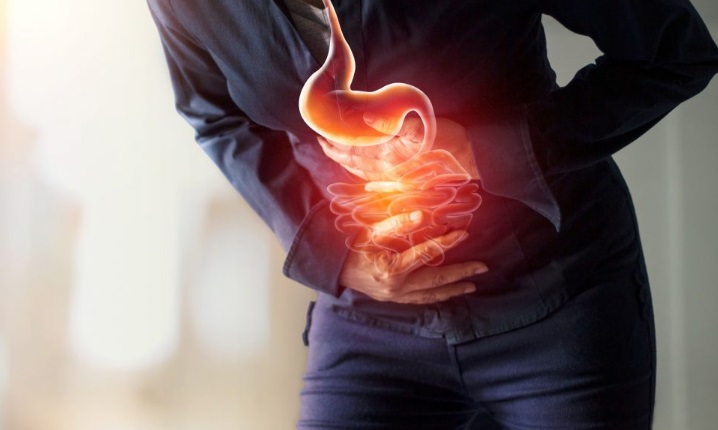
New Delhi: With the onset of the monsoon, most of the health talk is about dengue, malaria, and insect bites. But apart from these diseases, there is another group of diseases that is caused by monsoon rains but generally remain unnoticed until one catches them.
Talking about these diseases, Dr Tushar Goyal, Consultant Physician, Kailash Hospital, Greater Noida, says, “Due to heavy rains, waterlogging, and unhygienic conditions prevailing during the monsoon period, the growth of bacteria, viruses, and parasites becomes rampant, leading to food and water-borne infections such as food poisoning, gastroenteritis, typhoid, cholera, and hepatitis A.”
Why do stomach infections increase during the monsoon?
Waterlogging in drains and sewage during monsoon rains contaminates the source of drinking water, and at the same time, a warm and humid environment facilitates the rapid growth of bacteria and other microorganisms, causing the food to get spoiled quickly. Consumption of contaminated water, consumption of street foods or fruit and vegetables without covering them can pose a risk of contamination through bacteria. Also, the consumption of foods cooked at home can be dangerous if the leftovers are not stored properly.
Common monsoon-related stomach infections
Several digestive illnesses become more common during the rainy season. One of the most frequently reported is acute gastroenteritis, which typically causes diarrhoea, vomiting, stomach cramps and dehydration. Whereas most individuals tend to recover from this problem when given sufficient water, severe cases of dehydration could prove fatal, especially for young children and elderly people. Other types of diseases are typhoid, which can be spread by means of contaminated foods and water and is characterised by symptoms such as long-term fever, fatigue, stomachache and lack of appetite. While it is rare, a cholera infection could cause severe dehydration and watery diarrhoea if not treated in time.

In addition, hepatitis A infection, which is caused by a virus and characterised by symptoms including fever, vomiting, tiredness, stomach ache and jaundice, should also be kept in mind.
Symptoms to look out for
Most stomach infections start with minor symptoms but might escalate very quickly.
According to Dr Tushar Goyal, one should see a doctor immediately if there are symptoms of constant diarrhoea, vomiting, fever, abdominal pain, blood in the stool, weakness, dizziness or dehydration, such as a dry mouth and decreased urine output. Getting immediate treatment will help avoid any further problems.
Some easy steps to save yourself
Luckily, most of these water-borne diseases can be easily avoided through some simple daily practices.
- Drink only boiled or purified water.
- Eat freshly prepared food whenever possible.
- Avoid uncovered street food, cut fruits and raw salads from outside.
- Thoroughly wash your hands before and after meals using soap.
- Make sure that your fruits and vegetables are properly cleaned before consuming.
- Safe storage of cooked foods and refrigeration of leftovers is very important.
Who all require special care?
Certain sections of the population become more susceptible to infections and dehydration due to the onset of monsoons. Infants, the elderly, pregnant women and people suffering from diabetes or low immunity should take additional precautions to keep themselves safe regarding food and water hygiene. They should ensure that they remain well-hydrated at all times.
Do not ignore any other disease this monsoon season
Though the mosquito-related diseases get a lot of importance during the rainy season, the chances of stomach infections also cannot be ignored. With proper precautionary measures and safe drinking water and food, your chances of falling sick can be greatly reduced.
Some simple steps can save you from seasonal diseases.