NEW DELHI : The Ekadashi that falls during the Shukla Paksha in the Hindu month of Jyeshtha is known as Nirjala Ekadashi. This Ekadashi holds special significance in the scriptures, as it is considered the most important and sacred. It is said that observing just this one Nirjala Ekadashi fast brings the same spiritual merit as observing all 24 Ekadashis throughout the year.
Nirjala means without water and Nirjala Ekadashi fasting is observed without water and any type of food. Nirjala Ekadashi Vratam is the toughest among all Ekadashi fasting due to strict fasting rules. Devotees abstain not only from food but also from water while observing Nirjala Ekadashi Vrat,” stats Drik Panchang.
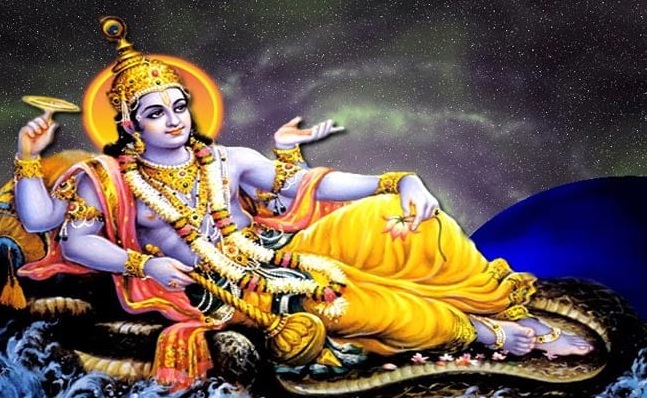
According to the Padma Purana, anyone who follows the discipline of fasting without water on this day and worships Lord Vishnu with devotion is freed from sins attains moksha. Acts such as snan (ritual bathing), daan (charity), and chanting performed on this day are believed to become everlasting in their merit. Nirjala Ekadashi is also known as Bhimseni Ekadashi.
When is Nirjala Ekadashi in 2026?
The Ekadashi tithi of the Shukla Paksha in the month of Jyeshtha will begin at 6:13 pm on Wednesday, 24 June. The tithi will continue until 8:10 pm on Thursday, 25 June, after which the Dwadashi tithi will begin.

Based on the tradition of observing the fast according to the sunrise (Udaya Tithi), Nirjala Ekadashi will be observed on 25 June 2026.
Why Does Nirjala Ekadashi Grant the Merit of all Ekadashi fasts?
According to the Padma Purana, once Bhimsen—one of the five Pandavas—approached Sage Ved Vyasa and explained that he was unable to observe regular fasts because of an intense inner digestive fire (known as Vrik Agni), which constantly made him feel hungry. He requested guidance on a single fast that could bring him spiritual upliftment and salvation.
Ved Vyasa then advised him to observe a single Ekadashi during the month of Jyeshtha, remaining completely without water. Since this period falls in peak summer, fasting without water is extremely difficult. For this reason, this Ekadashi is considered one of the most rigorous fasts.
Vyasa explained that by observing just this one fast with devotion, a person receives the same spiritual reward as observing all Ekadashi fasts throughout the year.
The Fast Brings Everlasting Merit
It is believed that if a person is unable to observe all Ekadashi fasts throughout the year, they may observe Nirjala Ekadashi in the month of Jyeshtha instead. The virtues earned on this day are said to be imperishable.
This fast was also observed by Bhimsen himself, which is why it is called Bhimseni Ekadashi.
Nirjala Ekadashi should be observed with proper rituals and fasting, and the fast should be broken on the following day, Dwadashi, after performing the prescribed rites.
Nirjala Ekadashi Vrat Parana
Parana means breaking of fast. According to Drik Panchang, “It is necessary to do Parana within Dwadashi Tithi unless Dwadashi is over before sunrise. Not doing Parana within Dwadashi is similar to an offence.
Parana should not be done during Hari Vasara. One should wait for Hari Vasara to get over before breaking the fast. Hari Vasara is first one fourth duration of Dwadashi Tithi. The most preferred time to break the fast is Pratahkal.
- On 26th Jun, Parana Time – 06:00 AM to 08:39 AM
- On Parana Day Dwadashi End Moment – 10:22 PM