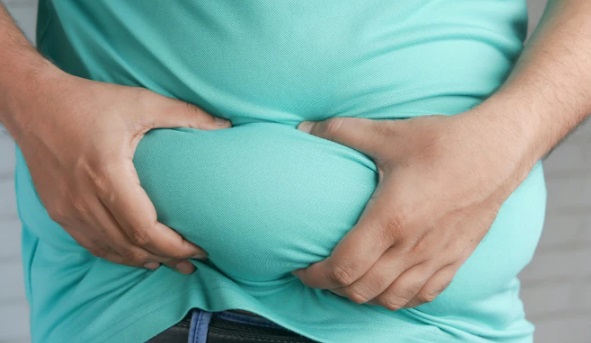
New Delhi: Indians have spent years treating obesity like a personal failure: Eat less, be disciplined, stop being lazy. But what if it is not that simple? What if obesity is not just about calories, but about biology, environment, mental health, urban design, economics, sleep, stress, and the kind of life modern India pushes us toward? India is facing an obesity crisis, and the country’s top medical body isn’t waiting around for things to get worse. The Indian Council of Medical Research (ICMR) has launched a nationwide collaborative initiative to figure out one important question: What actually works when it comes to preventing and managing obesity in Indians?
According to the National Family Health Survey (NFHS-5), nearly one in four Indian adults is overweight or obese. And before you think this is only about the urban rich, think again. Obesity has travelled from metros to smaller towns and rural India, crossing income levels. However, not everyone who looks overweight is metabolically unhealthy. And not everyone who looks slim is healthy either.
You’ve probably met that person who eats butter chicken every weekend but somehow has normal blood sugar and cholesterol. Meanwhile, someone else who looks perfectly average struggles with diabetes or high blood pressure. This has pushed experts to rethink the obsession with BMI (Body Mass Index). So, obesity is more complicated than stepping on a weighing scale.
That is exactly why ICMR is stepping in. The organisation has invited researchers and institutions across India to contribute data from completed and ongoing studies to better understand obesity patterns in real-life Indian settings. They want to study what interventions actually work: diet changes, exercise, behavioural counselling, or a combination of everything and more importantly, for whom? For example, advice like “just eat salad” doesn’t work when someone lives in a place where healthy food is expensive, exercise spaces are unsafe, or life simply doesn’t leave room for perfect habits.

The initiative will analyse factors such as age, gender, socio-economic background, dietary habits, baseline health, and lifestyle to understand why some people respond to weight-loss efforts while others don’t. Researchers will share anonymised data including BMI, body measurements, blood sugar, blood pressure, cholesterol, and follow-up outcomes.
If you’ve ever wondered why diets fail so often, there’s science behind that too. “From a clinical standpoint, obesity behaves as a long-term disease,” says Dr. Pathak. “Temporary measures often result in short-lived changes.” So, crash dieting before weddings may help you fit into clothes, but it rarely solves the real problem. Lifestyle changes remain important, of course. Better eating, movement, sleep, and consistency still matter. But biology also plays a role.
According to Dr. Pathak, bariatric procedures can support meaningful weight reduction while also improving conditions such as diabetes, hypertension, and sleep-related disorders. However, he warns, “Delayed management can increase the risk of long-term complications, some of which may become difficult to reverse.”