New Delhi : Sure, Diet Coke is low on sugar. Sure, that fizzy kick feels instantly refreshing. But when the heat starts hitting 40°C and beyond, your body needs more than just bubbles. (Plus, it is not even available on the shelves these days.)
Anyway, your body needs real support during summer. And that’s exactly where an old-school Indian cooler quietly outperforms your canned favourite.
This summer, instead of reaching for another chilled soda, it might be time to bring bel sharbat back into your routine.
As heatwave alerts stretch across the country and temperatures continue to climb, especially across North India, hydration isn’t just about quenching thirst – it’s about protecting your body from heat stress, fatigue, and digestive issues that come with extreme weather.

Why bel sharbat deserves your attention
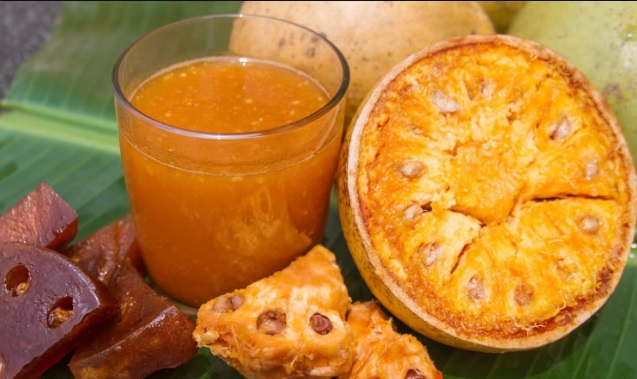
Bel, also known as wood apple, has been part of Indian summers for generations. According to Kiran Dalal, chief clinical nutritionist, Fortis Escorts Hospital, Faridabad, “Bel sharbat is generally a healthy summer drink, especially when prepared with minimal added sugar. It has a natural cooling effect and helps prevent heat stress and dehydration.”
That cooling effect is backed by what the fruit contains. Bel pulp is rich in water, electrolytes like potassium, and essential vitamins including vitamin C and vitamin A. Together, they help maintain fluid balance and support the body during extreme heat.
More than just hydration
Unlike sodas that offer temporary refreshment, bel sharbat actually does something for your body.
Dalal explains, “Bel is particularly beneficial for digestive health. Its fiber and bioactive compounds support gut function and help manage common summer issues.”
Summer is notorious for triggering gut problems like infections, indigestion, and dehydration-related discomfort. Bel helps counter all of that. Its natural compounds have antimicrobial and anti-inflammatory properties, making it especially useful during this season.
Adding to that, Sweedal Trinidade, chief dietician at PD Hinduja Hospital and Medical Research Centre, notes, “Bel is rich in electrolytes, vitamin C, and soluble fibre, making it an ideal summer fruit. It not only hydrates but also helps reduce acidity and relieve constipation.”
The Diet Coke reality check
Now compare that to Diet Coke.
Yes, it’s calorie-free. Yes, it skips sugar. But that’s pretty much where the benefits end.
Dalal puts it plainly: “Diet Coke is not ‘healthy’. It’s just low-calorie. It provides no vitamins, no electrolytes, and no real hydration benefits needed in extreme heat.”
Artificial sweeteners like aspartame may also impact gut health and appetite regulation over time. And while it may feel refreshing in the moment, it doesn’t actually help your body recover from heat.
Why bel makes sense in Indian summers
There’s also a reason bel has always been consumed during peak summer months.
“Bel consumption is a case where tradition aligns with physiology,” says Dalal. “It helps prevent heatstroke, supports digestion during hot weather, and naturally becomes available during the March to June period when the body needs it most.”
In simpler terms, it’s seasonal nutrition done right.
The only catch
Bel sharbat is healthy, but only if you don’t overload it with sugar.
Traditional recipes often add jaggery or sugar, which can turn it into a high-calorie drink. It remains a healthy option when made with minimal or no added sugar.
Also, moderation matters. Overconsumption, especially of unripe bel, can lead to constipation due to its tannin content.
How to enjoy it
Making bel sharbat is simple. Crack open the hard shell, scoop out the pulp, mix it with water, strain, and add a touch of jaggery or lime if needed. Serve chilled.
The bottom line
Bel sharbat hydrates you, supports your gut, replenishes electrolytes, and keeps your energy stable. Diet Coke? It just gives you a cold, fizzy moment.
And when summer is at its peak, your body deserves more than just that.