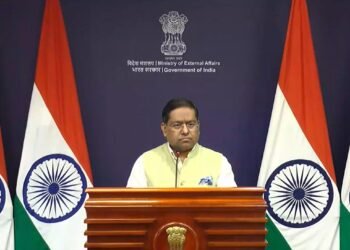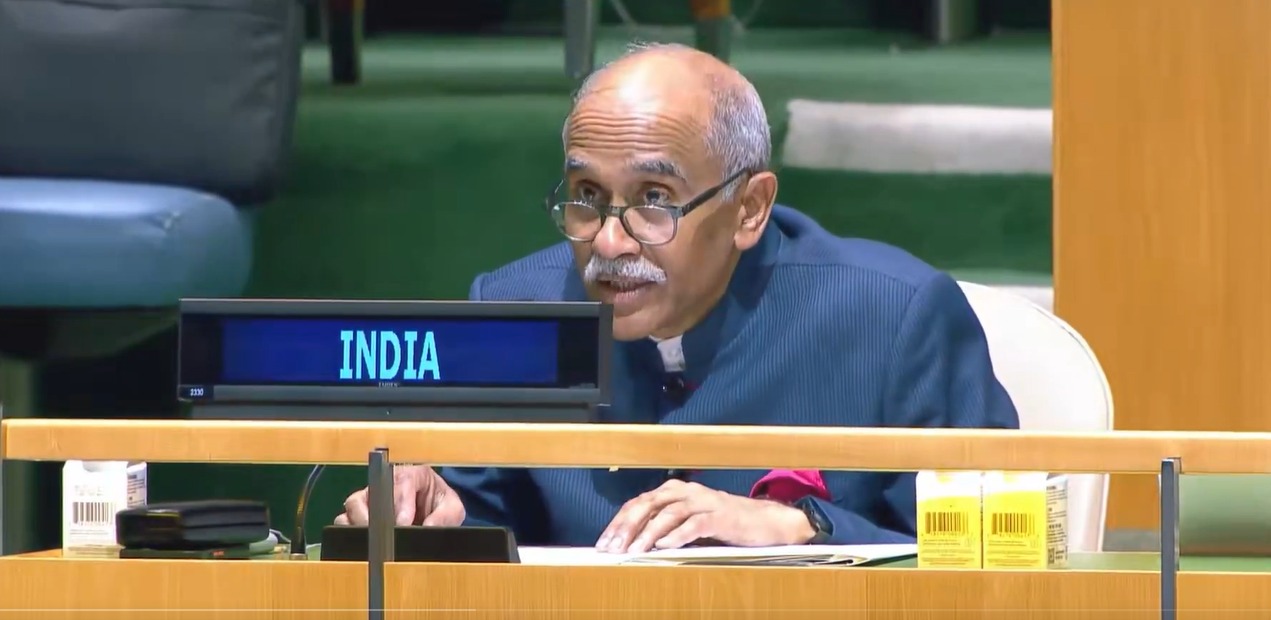
Sachin Malik: India Permanent Representative to the United Nations, Ambassador P. Harish, emphasized during the Intergovernmental Negotiations (IGN) meeting on UN Security Council (UNSC) reforms that any meaningful reform must include expansion in the permanent category along with veto power. India opposed a two-tier membership system, stating that such a discriminatory structure would worsen existing imbalances.
In a statement, India’s Permanent Mission to the UN in New York said that India highlighted two fundamental aspects responsible for the imbalance in the UNSC structure: membership and veto power. There is a strong and broad consensus on the urgent need for reform. It is clear that a structure created over 80 years ago cannot meet the requirements of today’s geopolitical realities.
According to the statement, Ambassador Harish, representing India, noted that the only reform made in the 1960s—expanding only the non-permanent membership—ended up increasing the relative power of veto-wielding members. Comparatively, while the original ratio between permanent veto-holding members and non-permanent members was 5:6, it was later revised to 5:10, giving greater advantage to veto holders. Any reform that does not expand the category of permanent members with veto power would further worsen this ratio and reinforce existing imbalances and inequalities. Therefore, expanding the category of permanent members with veto power is essential for genuine reform of the Security Council.
Harish clarified that introducing any new category within the scope of UNSC reform—whether with or without veto—would further complicate already complex discussions involving diverse viewpoints. He reiterated that India supports the “African model,” which asserts that as long as the veto system exists, new permanent members must also be granted veto rights.

Additionally, India organized a special event at the UN headquarters on Tuesday to mark the 135th birth anniversary of B. R. Ambedkar. The theme of the event was “Dr. B. R. Ambedkar’s Vision of Constitutional Morality and its Relevance to Multilateralism.” During the event, Ambassador Harish highlighted Ambedkar’s strong advocacy for instilling a sense of constitutional morality among Indian citizens, calling it both significant and unique.