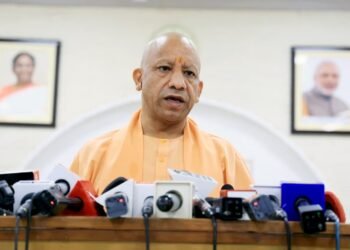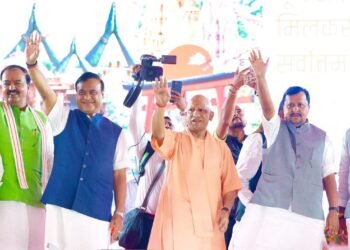
Political activity across India has intensified as several states prepare for upcoming assembly elections in the coming months. Major Political Parties have begun strengthening their organizations and formulating strategies to attract voters. Rallies, public meetings, political campaigns, and grassroots outreach programs have increased significantly in election-bound States.
The upcoming assembly Elections are being closely watched as they are considered crucial for shaping the Political landscape ahead of future national elections. States such as Uttar Pradesh, Bihar, Maharashtra, and West Bengal often Play a key role in influencing national Politics due to their large voter base and Political Significance.
The ruling Bharatiya Janata Party has started highlighting its development agenda, infrastructure Projects and welfare schemes while preparing for the Elections. Party leaders Claim that significant Progress has been made in sectors such as roads, digital services, healthcare and economic development over the Past few years. According to party officials, these achievements will play a major role in gaining voter Support.
On the other hand, opposition Parties are focusing on issues such as rising inflation, unemployment and challenges faced by farmers. Leaders of the Indian National Congress and several regional parties have been organizing public meetings and campaigns to question Government Policies and Present alternative visions for governance. Opposition leaders argue that economic concerns and Public welfare issues must be addressed more Effectively.
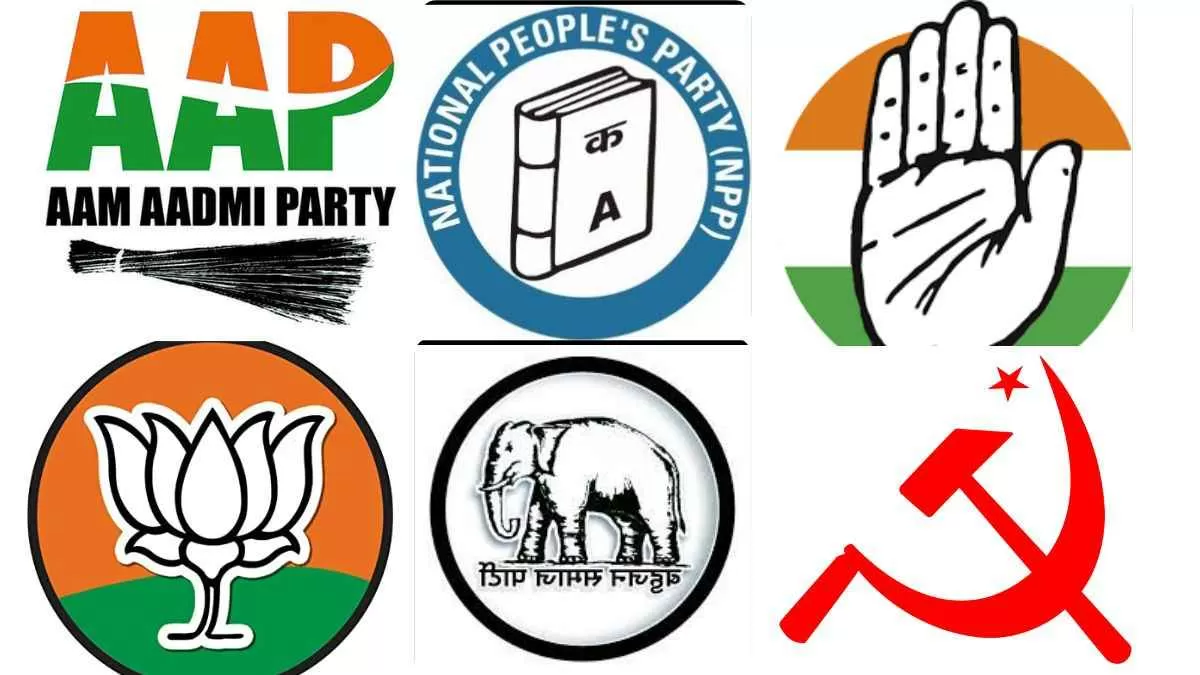
Political analysts believe that alliances between regional and national Parties may Play a decisive role in several states. Regional Parties often have strong influence in local constituencies, making coalition strategies an important factor in determining election outcomes. Discussions regarding seat-sharing arrangements and Potential alliances are already underway in some States.
Local issues are also emerging as key factors in the upcoming elections. In many areas, voters are raising concerns related to employment opportunities, law and order, agricultural Policies, healthcare facilities and Education. Political Parties are therefore tailoring their campaign strategies to address region-specific Problems and Community Needs.
Campaigning methods have also evolved significantly in recent years. In addition to traditional rallies and door-to-door outreach, Political parties are actively using social media Platforms, digital advertisements and online campaigns to reach voters. Youth voters and first-time voters are being targeted through digital engagement and interactive Political Messaging.
Meanwhile, the Election Commission of India has started preparations to ensure that the electoral process remains fair, transparent, and well-organized. The commission is reviewing logistical arrangements, updating voter lists and instructing officials to strictly enforce the model code of conduct during the Election Period.
Political observers suggest that the upcoming assembly elections may witness intense competition, with several states likely to see multi-cornered contests between major national parties and strong regional Players. The outcomes of these elections will not only determine the governments in the respective states but will also provide a clear indication of the Political mood of the country.
Overall, the forthcoming assembly elections are expected to be a significant milestone in India democratic Process. With increasing Political engagement, strategic alliances and issue-based campaigning, the coming months are likely to witness heightened Political debate and active participation from voters across the Country.