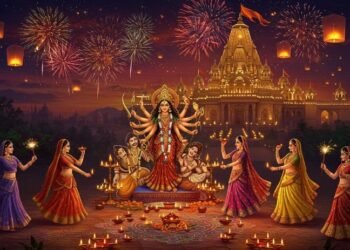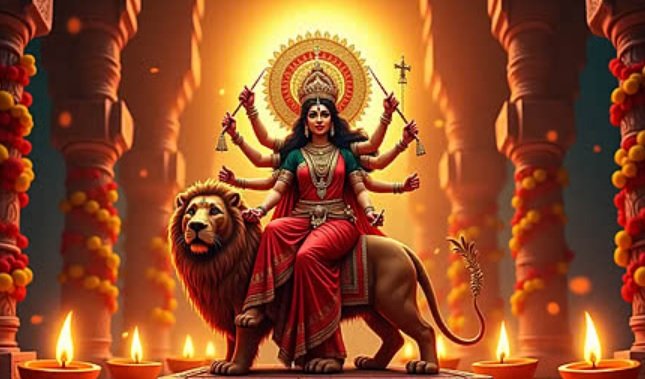
New Delhi: Maha Shashthi marks a special turning point in Bengali Durga Puja, when preparations give way to the formal welcome of Maa Durga. The day is associated with three important rituals—Bodhon, Amantran and Adhivas—which symbolise awakening the Goddess, inviting her to receive worship and consecrating the sacred setting for the days ahead.
In 2026, the main Durga Puja festivities begin on October 16. The precise timing of Shashthi rituals can vary according to the local panjika and the tradition followed by individual puja committees and households.
Why Is Shashthi Important During Durga Puja?
Shashthi is traditionally regarded as the ceremonial beginning of Durga Puja in Bengal. Although pandals may open earlier and preparations take place for weeks, Shashthi holds particular religious significance because it marks the formal invocation and welcome of the Goddess.
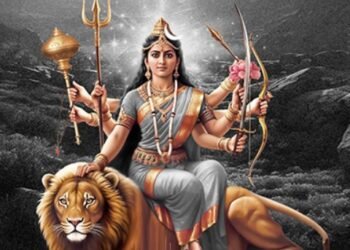
In Bengali tradition, Maa Durga is often imagined as Uma, returning to her parental home with her children. This understanding gives the rituals a personal dimension: the Goddess is not only worshipped as the supreme divine power but also welcomed with the affection reserved for a beloved daughter.

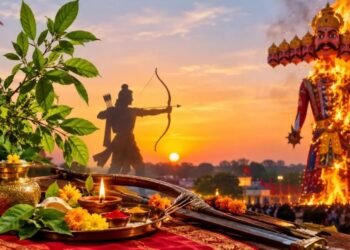
The day is also associated with Akal Bodhon, or the untimely awakening of the Goddess. According to the Bengali retelling of the Ramayana, Lord Rama invoked Maa Durga during autumn before his battle with Ravana, seeking her blessings for victory. This tradition is associated with the autumnal worship of Durga, which takes place outside the season traditionally linked with her worship in spring.
What Is Bodhon? The Ritual of Awakening Maa Durga
Bodhon means awakening. In the traditional Bengali Durga Puja sequence, the ritual ceremonially awakens or invokes the Goddess before the principal days of worship.
Bodhon is traditionally associated with a bel tree, considered sacred in Hindu worship. Where a suitable tree is unavailable, a bel branch may be used. The priest performs prescribed rites and recites mantras as part of the invocation.
The ritual reflects the belief that the Goddess is being called to receive the devotion of her worshippers. It also connects the autumn festival with the story of Rama’s invocation of Durga before his battle with Ravana.
Bodhon is therefore more than a ceremonial opening. It marks the transition from preparing for the festival to formally welcoming the divine presence.
What Are Amantran and Adhivas?
Bodhon is followed by two related rituals that complete the traditional welcome.
Amantran: Inviting the Goddess
Amantran means invitation. Through this ritual, the Goddess is formally invited to accept the worship offered during Durga Puja.
The ceremony expresses the devotion behind the festival: worshippers prepare to receive Maa Durga with prayers, offerings and reverence. It is a symbolic invitation for the Goddess to grace the sacred space and accept the devotion of the community.
Adhivas: Consecrating the Sacred Setting
Adhivas, also spelt Adhibas or Adhivasa, is a ritual of consecration. Prescribed auspicious materials are used to sanctify the image, ritual objects or other elements associated with the worship.
The exact materials and procedures can differ according to regional customs and the puja tradition being followed. At its heart, Adhivas represents the spiritual preparation of the sacred setting for the principal days of Durga Puja.
Together, Bodhon, Amantran and Adhivas form a connected sequence: awakening the Goddess, inviting her to receive worship and preparing the ritual setting for her ceremonial presence.
Why Is Maa Durga’s Face Unveiled on Shashthi?
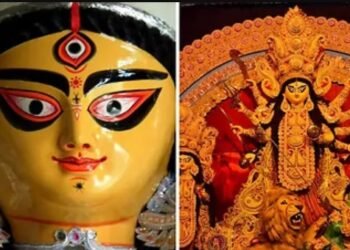
In many Bengali community pujas, Shashthi is associated with the unveiling of Maa Durga’s idol. The moment carries emotional significance because devotees finally see the Goddess after days or weeks of preparation.
However, this practice is not identical everywhere. Some pandals unveil their idols earlier, while others follow different schedules according to local customs. The unveiling is a widely recognised part of the festival atmosphere, rather than a universal requirement tied to precisely the same moment.
What Makes Shashthi Different From the Other Days?
Shashthi establishes the spiritual tone for the celebrations that follow. Saptami brings the Nabapatrika ritual, Ashtami is associated with Pushpanjali and Sandhi Puja, Navami continues the principal worship, and Dashami marks the farewell and immersion of the idol.
Shashthi’s distinctive importance lies in the act of welcome. Through Bodhon, Amantran and Adhivas, the festival moves from anticipation to formal worship.
For devotees, the day captures the essence of Durga Puja: preparing the heart and sacred space to welcome Maa Durga, honour her divine power and celebrate her presence during the days ahead.