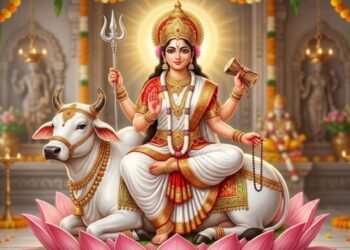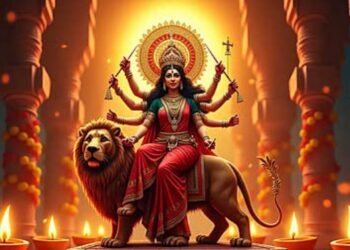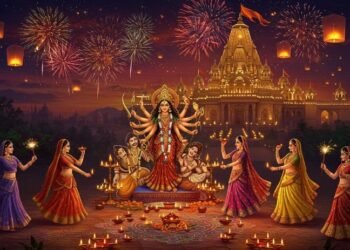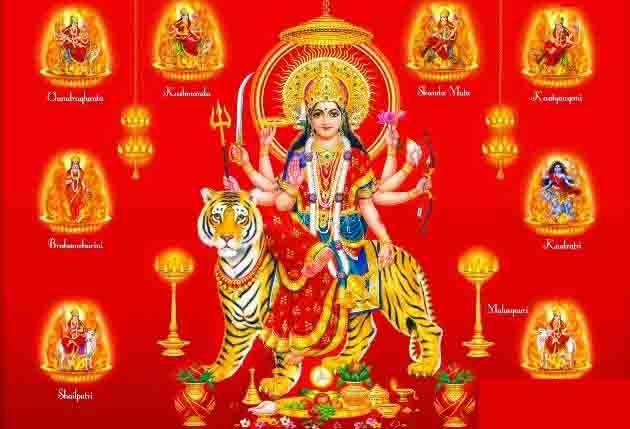
NEW DELHI : Shardiya Navratri 2026 will begin on October 11 and continue until October 19, with Vijayadashami falling on October 20. The nine-day festival begins with Ghatasthapana and the worship of Maa Shailputri, the first form of Goddess Durga.
In New Delhi, the Ghatasthapana Muhurat is from 6:19 am to 10:12 am on October 11.
For many devotees, the beginning of Navratri also marks the lighting of an Akhanda Jyoti, a sacred lamp that is traditionally kept burning throughout the nine days. The word ‘Akhanda’ means unbroken, and the continuous flame is associated with devotion, spiritual focus and the presence of the divine.
The Akhanda Jyoti is traditionally lit on the first day of Navratri alongside Kalash Sthapana. Devotees believe that keeping the flame burning throughout the nine nights invites Maa Durga’s protection into the home, removes negativity and brings blessings of health, prosperity and peace. In scriptures and household tradition, the lamp is also regarded as a silent witness to the prayers, mantras and recitation of the Durga Saptashati offered during the festival.

Significance of Lighting Akhanda Jyoti During Navratri
Lighting an Akhanda Jyoti is considered an important part of Navratri worship in many Hindu households. Devotees take a sankalp, or sacred resolve, to keep the lamp burning for the duration of the festival while praying to Goddess Durga.
The flame is traditionally viewed as a symbol of light overcoming darkness and is associated with knowledge, purity and positive energy. Practices can differ between families and regions, so the exact ritual followed may vary.
Rules To Light Akhanda Jyoti
Choose the right direction: Traditionally, the Akhanda Jyoti is placed in the east or north-east direction of the puja room, which are associated with positivity, knowledge and spiritual energy.
Avoid the south direction: Many traditions consider placing the lamp towards the south inauspicious.
Use the right fuel: Pure desi ghee is traditionally preferred. If ghee is not available, sesame oil or mustard oil may be used.
Place the diya on grains: Devotees may place the lamp on a small heap of rice, wheat or black gram, which is considered auspicious in some traditions.
Use a suitable lamp and wick: Brass, silver or earthen diyas with a cotton wick are commonly used for Akhanda Jyoti.
Protect the flame: A glass or metal cover can be used to shield the flame from drafts and prevent it from accidentally going out.
Keep combustible items away: Ensure curtains, paper, flowers, cloth and other flammable materials are kept away from the diya.
Check the fuel regularly: Since the flame is meant to remain lit continuously, keep an eye on the ghee or oil level and replenish it carefully when needed.
Place it somewhere stable: The lamp should be kept on a firm, level surface where it is unlikely to be knocked over.
Follow your family tradition: Akhanda Jyoti rituals can differ across regions and households, so devotees should follow their established customs or seek guidance from their priest.
What If The Akhanda Jyoti Goes Out?
This is often the part devotees worry about most. Traditional practices consider an extinguished Akhanda Jyoti undesirable, but customs on what to do next can vary.
Devotees may light another lamp first, seek forgiveness through prayer and then relight the Akhanda Jyoti with a fresh wick. Those following a particular family or regional tradition may instead consult their priest for the prescribed ritual.
The important point is not to treat the practice as something to fear. The Akhanda Jyoti is ultimately a ritual of devotion and sankalp, with the continuous flame representing an uninterrupted spiritual intention during Navratri.