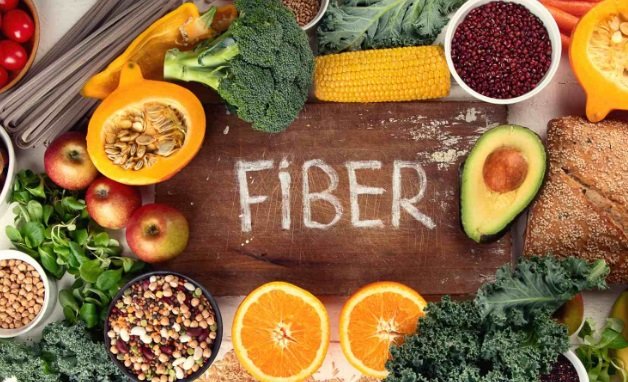
New Delhi: Is eating more fibre always better for your health? Not necessarily. Fibre is an important part of a balanced diet and is known for supporting digestion, but simply increasing your intake can sometimes leave you feeling more bloated, gassy or constipated. The type of fibre you eat, how much you add and how quickly you increase it all matter.
For people trying to improve their gut health, one of the biggest mistakes is going from a low-fibre diet to a high-fibre one overnight. Loading up on salads, fruits, pulses, seeds or fibre supplements may sound healthy, but your digestive system needs time to adjust.
Eating more fibre isn’t the whole story
We exclusively spoke with Dr Shalini Garwin Bliss, Head of Dietetics at PSRI Hospital, New Delhi. Talking about the biggest mistake people make about fibre, she said, “The biggest mistake people make with fibre is assuming that simply increasing the quantity will automatically make their diet healthier. Fibre is essential, but the type of fibre, the amount you consume and how gradually you introduce it all matter.”
She then explained that there are two types of fibre – soluble and insoluble, and they do different jobs in the body.

Soluble fibre: It dissolves in water and forms a gel-like substance in the digestive tract. It can help regulate blood sugar and cholesterol levels and is found in foods such as oats, barley, beans, lentils, fruits and some vegetables.
Insoluble fibre: Insoluble fibre, on the other hand, adds bulk to stool and supports regular bowel movements. Whole grains, vegetables, nuts and seeds are good sources.
She explained, “We need both types rather than focusing exclusively on one. A common mistake is suddenly loading the diet with large amounts of salads, fruits, seeds, legumes or fibre supplements because we have heard that more fibre is better. If the body is not accustomed to a high-fibre intake, this sudden increase can lead to bloating, gas, abdominal discomfort and changes in bowel movements.”
Can too much fibre cause bloating?
Yes, especially when you increase your intake suddenly.
A person who normally eats very little fibre may decide to make a dramatic change after hearing about its health benefits. That could mean adding large portions of raw vegetables, more fruit, beans, lentils, seeds or even fibre supplements all at once.
The result may not be the improved digestion they were expecting.
A sudden jump in fibre can cause gas, bloating, abdominal discomfort and changes in bowel movements, particularly if the body is not accustomed to it.
This does not mean fibre is bad for your gut. It simply means that increasing it gradually can make the transition easier for your digestive system.
Fibre and water need to go together
There is another mistake people often make while increasing fibre: forgetting about hydration.
Fibre works best when accompanied by enough fluids. This becomes particularly important when you are deliberately increasing your fibre intake.
Explaining the importance, Dr Shalini told us, “Fibre works best when accompanied by adequate fluids, particularly when increasing intake. Without enough water, a sudden increase in fibre may worsen constipation in some people rather than relieve it.”
What is the right way to increase fibre?
Rather than suddenly filling every meal with high-fibre foods, increase your intake gradually and allow your body time to adapt.
“The better approach is to increase fibre gradually and get it primarily from a variety of whole foods rather than relying heavily on supplements. Include vegetables, fruits, whole grains, pulses, beans, nuts and seeds across the day. Variety is important because different foods provide different types of fibre and other nutrients,” Dr Shalini said.
And don’t rely on just one or two foods. Different sources provide different types of fibre as well as other nutrients, making variety an important part of a balanced diet.
The goal isn’t maximum fibre
There is often a tendency to treat nutrition as a numbers game: if a little is good, more must be better.
Fibre doesn’t quite work that way.
The doctor explained, “Ultimately, fibre is not about following the latest high-fibre trend. It is about building a balanced, diverse diet that your digestive system can comfortably adapt to. The goal should be adequate fibre, not simply maximum fibre.”
A healthy diet is not about chasing the latest high-fibre trend or trying to consume as much fibre as possible. It is about getting an adequate amount from a variety of foods and increasing it at a pace your digestive system can handle.
When it comes to fibre, more isn’t automatically better. The goal is enough, variety and a gradual approach.