New Delhi: For more than a few decades, antibiotics have been considered one of the biggest triumphs of medical science. From a painful sore throat caused by bacteria or a UTI, right up to post-operative care, antibiotics have helped millions of people recover and, in many cases, even saved their lives.
However, doctors now say that this safety shield is slowly beginning to fail. Across the world, bacterial infections that were once easily treatable with antibiotics are becoming increasingly resistant to these medicines. As Dr Ashita Singhal, Consultant in Paediatric Haematology, Oncology and Bone Marrow Transplant (BMT) at SunAct Advance Therapies, says, “Antimicrobial resistance (AMR) is becoming a very serious problem for us.”
What is antibiotic resistance?
When bacteria evolve and gain the ability to withstand medications that previously killed them, the phenomenon is known as antibiotic resistance. According to Dr Singhal, antibiotic resistance is a natural biological process; however, it has been drastically accelerated by the improper use of these medications.
“Bacteria are adaptive organisms. When they come into contact with antibiotics, the weakest strains get killed, whereas those with genetic mutations that allow them to survive the medicine continue multiplying,” she says. As a result, more bacteria with these abilities develop, making ordinary infections much harder to treat.

Misuse of antibiotics and its impact on the problem
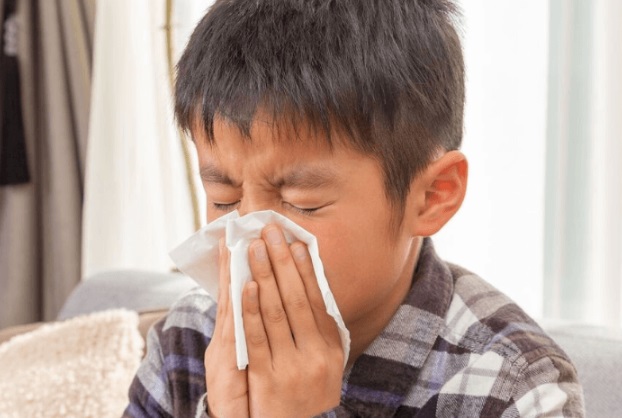
The key reason behind antibiotic resistance is the unnecessary use of antibiotics. Many people misuse antibiotics for viral infections such as the common cold or flu, even though these drugs work only against bacterial infections.
“The widespread overuse and misuse of antibiotics exposes bacteria to these drugs unnecessarily. This has allowed highly resilient ‘superbugs’ to develop,” says Dr Singhal. She explains that what was once a simple bacterial infection may now require stronger medicines because standard antibiotics no longer work.
Common infections are becoming more difficult to treat
The effects of antibiotic resistance are no longer limited to intensive care units or specialised hospitals. According to Dr Singhal, doctors are increasingly seeing routine illnesses such as urinary tract infections, skin infections and respiratory infections requiring second- or even third-line antibiotics.
These medicines are often more expensive, may cause stronger side effects and can prolong recovery. “In some cases, patients who would previously have recovered with oral antibiotics now require intravenous treatment and hospital admission,” she explains.
The biggest risk is for vulnerable patients
Although antibiotic resistance affects everyone, it can become life-threatening for people with weakened immune systems. Children undergoing cancer treatment, bone marrow transplant recipients and other immunocompromised patients often depend on antibiotics to survive infections.
“For these patients, antibiotics are not simply precautionary medicines; they are lifesaving treatments,” says Dr Singhal. “When a child undergoing cancer treatment develops an infection, the body cannot fight it alone. If the bacteria are resistant to standard antibiotics, the time available to save that child’s life becomes dramatically shorter.”
What can we do to slow antibiotic resistance?
Dr Singhal believes tackling antibiotic resistance requires both healthcare professionals and the public to work together. Doctors should prescribe antibiotics only when medically necessary, while patients should avoid self-medicating or demanding antibiotics for viral illnesses. She also stresses the importance of completing the prescribed course exactly as advised and never sharing leftover antibiotics with others.
“Preserving the effectiveness of antibiotics is a shared responsibility,” she says