

RAYAGADA/KALAHANDI (Special Report) : The Sijimali mountain range, situated on the border of Odisha’s Rayagada and Kalahandi districts, has transformed into a smoldering battleground. Once hailed as the ‘New Zealand of Odisha’ for its breathtaking natural beauty and lush green valleys, the region is now caught in the crosshairs of corporate profiteering.
Allegations are rife that through a nexus of government and administration, the ancestral lands of indigenous tribes are being systematically snatched away and handed over to the Vedanta Group for bauxite mining. This deal has not only triggered an existential crisis for the local tribals but also poses a massive ecological threat to the agricultural lifeline of two states.
Fake Gram Sabhas and Violation of Forest Rights
The most serious allegation leveled by local tribals and environmental activists is that Vedanta is openly flouting rules for this project, while the administration remains a mute spectator. Spanning approximately 1,549 hectares and holding an estimated 311 million tonnes of high-quality bauxite reserves, the manner in which clearances have been obtained is deeply questionable. Nearly half of this 1,549-hectare area comprises protected forest land, from which Vedanta plans to extract 9 million tonnes of bauxite annually for the next 50 years.

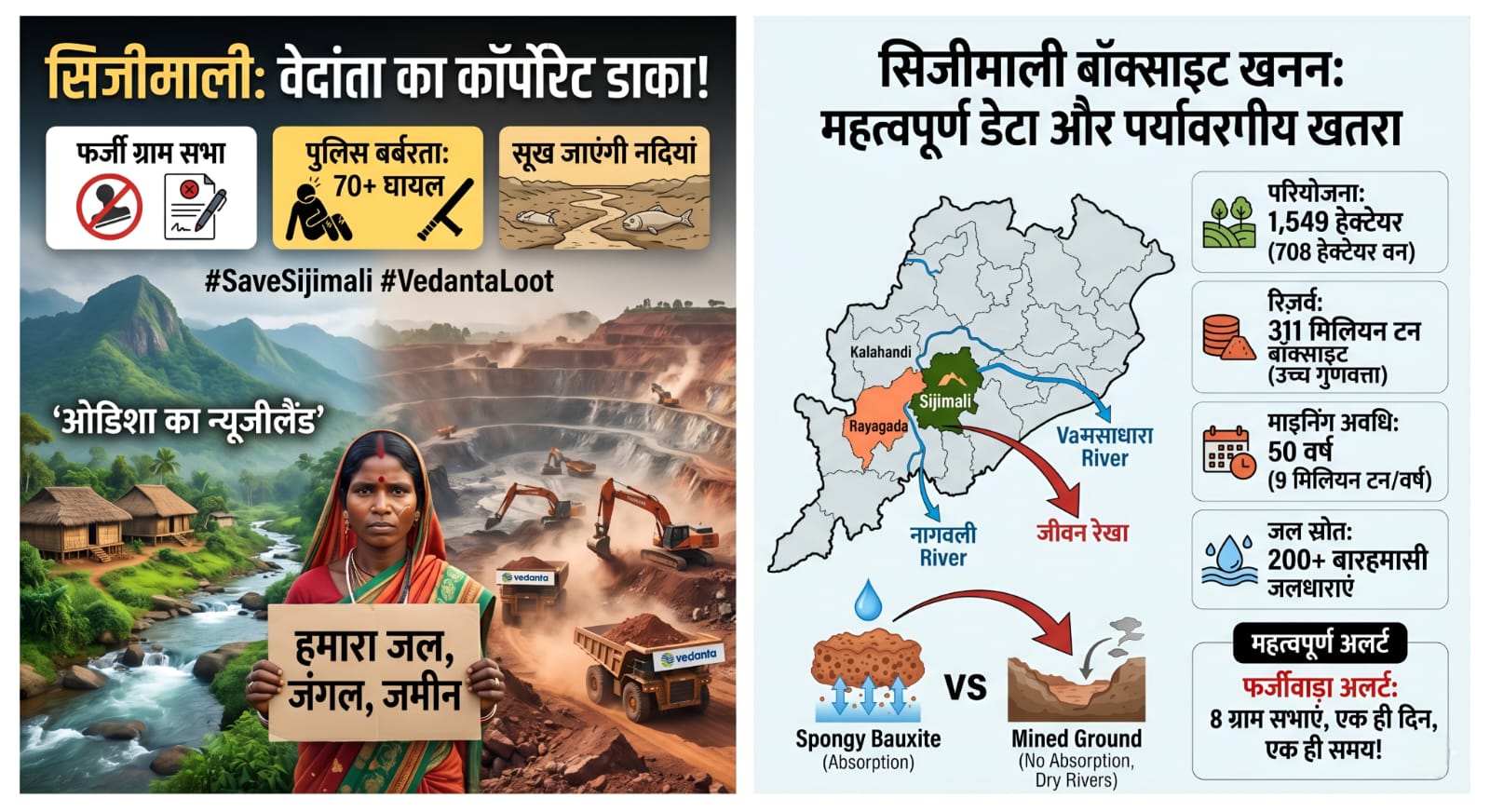
The administration claimed to have received consent for mining from eight Gram Sabhas (village councils) in December 2023. However, a shocking Right to Information (RTI) revelation exposed that all eight meetings were recorded as being held on the exact same day and at the exact same time—a logistical and geographical impossibility.

Villagers allege that the consent forms include the names of minors, deceased individuals, and outsiders. Following this revelation, the villages convened again and passed official resolutions opposing the project. While the Forest Advisory Committee has recommended ‘Stage-I’ clearance for 708 hectares of forest land, the mandatory ‘Stage-II’ final clearance remains pending.
Police Brutality and the April 7 Bloodshed
The most terrifying face of this corporate-state nexus was witnessed earlier this month across Sijimali’s affected villages. According to environmental laws, mining activities cannot commence without final clearance; yet, immense pressure is being exerted on the ground.
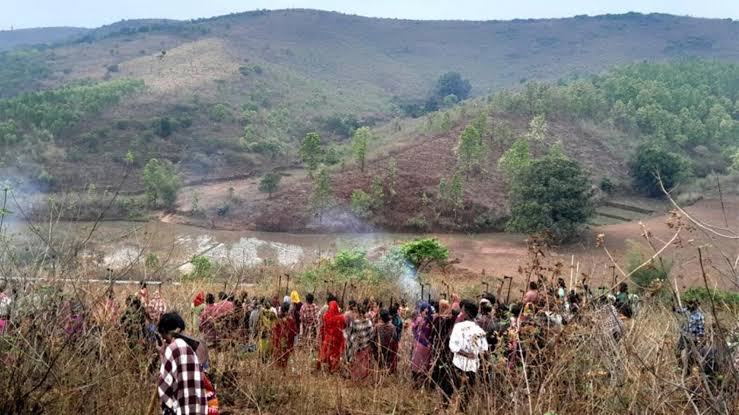
On April 7, police launched a brutal crackdown on tribals who were peacefully protesting the felling of trees and the construction of a 3.5-kilometer approach road connecting State Highway 44 to the Sijimali hilltop. In the ensuing violent clash, over 70 tribals and 40 police personnel were injured. Locals assert that by bypassing the constitutional rights granted to tribal-dominated areas under the Fifth Schedule, the administration is functioning directly as an ‘agent’ for Vedanta.
Latest Developments: Congress Demands Probe, Cites SC/ST Act Violations
The political temperature soared today as Congress General Secretary Jairam Ramesh launched a scathing attack on the Centre. Taking to X (formerly Twitter) on Tuesday, Ramesh demanded an independent inquiry into the unrest. He categorically stated that the police used “disproportionate force in a targeted manner against Scheduled Tribe communities, especially women,” which violates the SC/ST (Prevention of Atrocities) Act, 1989.
Ramesh further alleged that the Panchayat (Extension to Scheduled Areas) Act (PESA), 1996, and the Forest Rights Act (FRA), 2006, are being deliberately diluted and bypassed. “This has happened in a state where the CM is himself from a tribal community,” Ramesh noted, urging the Union Minister of Tribal Affairs, who also hails from Odisha, to intervene and ensure constitutional safeguards are upheld.
Adding Fuel to the Fire: New Rail Corridor and Cumulative Threats
Adding to the tribal anxiety, the Ministry of Railways recently notified a new 20-kilometer broad-gauge rail corridor connecting the Tikiri station to the bauxite hills. Activists argue this infrastructure is solely intended to facilitate corporate loot.
Furthermore, the ecological threat is no longer limited to Vedanta. Just 2 kilometers away, Adani Group’s subsidiary, Kalinga Alumina Ltd, is gearing up for an open-cast mining project over 701 hectares in the adjacent Kutrumali hills (holding 127 million tonnes of bauxite), with a public hearing scheduled for May 12. Environmentalists warn that the cumulative impact of these twin mega-projects will decimate the Eastern Ghats.
Environment and Rivers on the Brink of Destruction
The most devastating impact of mining in Sijimali will fall upon its fragile ecosystem. The mountain operates as a colossal natural ‘water tank’. Due to the highly porous nature of the bauxite mineral, these hills act like a giant sponge, absorbing monsoon rainwater and releasing it gradually throughout the year.
Over 200 perennial streams originate from this natural sponge system, eventually forming massive, life-giving rivers like the Nagavali and Vamsadhara. If mining takes place, this mountain ‘sponge’ will be irreparably destroyed, and these rivers—the lifelines for millions of farmers in Odisha and neighboring Andhra Pradesh—will dry up forever.
A Crisis of Faith and Survival
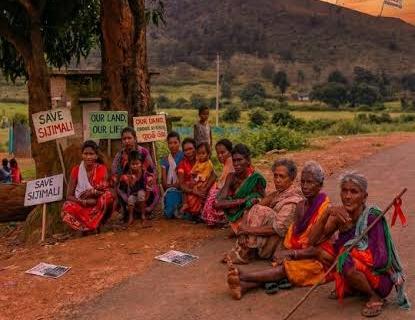
This issue extends far beyond environmental degradation; it is deeply tied to the faith and existence of the local Kondh and Paraja tribes, as well as the Dalit Dom community. The mountain is revered as the sacred abode of their deity, ‘Tij Raja’.
In 2013, following a historic Supreme Court order, Vedanta’s Niyamgiri project was permanently halted after failing to secure the consent of the local Gram Sabhas. Today, the tribals of Sijimali are fighting for a similarly just victory, leaving the nation with a haunting question: Must the edifice of “development” be built upon the graves of our forests, our rivers, and our indigenous people?