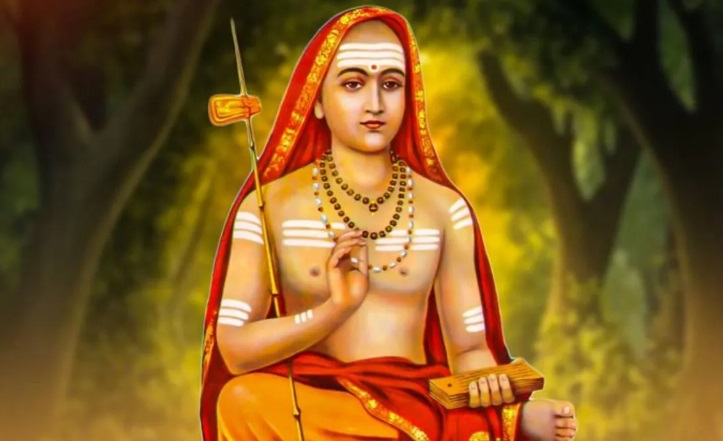
New Delhi: Shankaracharya Jayanti, also called Adi Shankaracharya Jayanti, marks the birth remembrance of Adi Shankaracharya. It is observed by many followers of Advaita Vedanta through study, prayer, and respectful homage to teachers. The day centres on learning, calm discipline, and simple living, with temple visits, satsang, and readings from Shankara’s key works.
In 2026, Shankaracharya Jayanti falls on Tuesday, 21 April 2026. Many maths and temples plan talks and group readings on this day. The given details do not list a muhurat time for this festival entry, so people usually follow their local temple schedule and the guidance of their teachers.
Shankaracharya Jayanti: Why It Is Celebrated
Shankaracharya Jayanti commemorates Adi Shankaracharya and his role in the revival of Advaita and dharma scholarship. People remember his focus on study, debate, and steady practice. The day is used to renew respect for learning and to reflect on the idea of one spiritual truth, taught in Advaita Vedanta.
Shankaracharya Jayanti: How It Is Celebrated
On Shankaracharya Jayanti, maths and temples often hold discourses and group prayer. Devotees read Bhaja Govindam and other stotras. Many also take part in charity, as a simple act of support for others. Home observance may include quiet reading, listening to talks, and visiting a local shrine or temple.

Shankaracharya Jayanti: Key Rituals and Practices
Common practices include satsang, reading of Shankara’s works, and Advaita discussions in a group. Temple visits are also common. Many people offer a guru-puja style homage, which means respectful remembrance of teachers and the teaching line. The focus stays on calm conduct, clear thinking, and steady personal discipline.
Shankaracharya Jayanti: Significance
The festival has high intellectual and spiritual value in the Advaita Vedanta tradition. Shankaracharya Jayanti highlights clarity of thought and unity of the spiritual truth. It is also a day to value learning, debate, and disciplined practice. For many devotees, it supports a balanced approach that respects both devotion and knowledge.
Shankaracharya Jayanti: Historical Story
The historical narrative centres on Shankara’s short life and his journeys across India. Accounts speak of debates, teaching work, and the establishment of maths. Over centuries, monastic institutions and scholars kept Shankaracharya Jayanti as a day of remembrance. The main aim is to return to study, teaching, and regular sadhana.
Shankaracharya Jayanti: Kathaa and Readings
The kathaa linked with Shankaracharya Jayanti often uses simple talks on Bhaja Govindam, Nirvana Shatakam, and select Upanishadic teachings. Themes include giving up ego, seeing the same Self in all, and holding devotion with knowledge. Many groups choose short readings and clear explanations so more people can follow.
Shankaracharya Jayanti: Attire and Food
Many people choose simple, clean traditional attire for Shankaracharya Jayanti, keeping the mood calm and respectful. Satvik prasadam is preferred, with simple food and a focus on purity and moderation. Families may offer the prasadam at home after prayer, or receive it at a temple or a math after a discourse.